
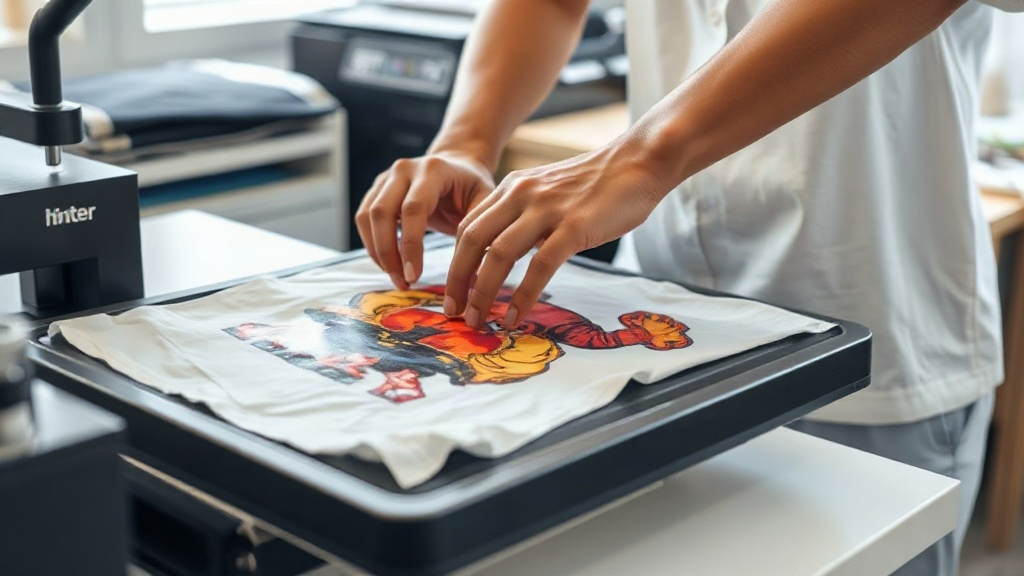
Imagine creating a custom t-shirt with a design so vibrant it looks like it came straight from a professional print shop, but you did it at home with a regular iron. That's the magic of DTF transfers. Whether you're a small business owner looking to offer custom apparel or a DIY enthusiast wanting to personalize your wardrobe, DTF transfers offer a game-changing solution. In this guide, we'll walk you through everything you need to know about DTF transfers, from what they are to how you can use them to create stunning, durable prints on shirts and more.
What Are DTF Transfers?
DTF stands for Direct to Film. It's a printing technology where your design is printed onto a special film, then coated with a adhesive powder and cured. The result is a transfer that can be applied to various fabrics using a heat press or even a home iron. Unlike other methods like screen printing or vinyl, DTF transfers work on almost any fabric, including cotton, polyester, blends, and even nylon. They're known for their vibrant colors, fine details, and durability.
The DTF Printing Process
The process begins with your digital design. A specialized printer prints the design onto a PET film using water-based inks. While the ink is still wet, a powdered hot-melt adhesive is applied evenly over the design. The film then goes through a curing oven or heat press to melt the powder, creating a solid adhesive layer. Once cooled, the transfer is ready to be applied to a garment. The film can be stored for later use, making it convenient for on-demand production.
Why DTF Transfers Stand Out
DTF transfers have gained popularity because they eliminate many limitations of traditional printing. For starters, you don't need to invest in expensive screens or setup fees. You can print one-off designs or small batches without breaking the bank. The prints are also incredibly stretchable, so they won't crack or peel when the fabric stretches. Plus, the color vibrancy is exceptional, even on dark garments, because a white ink layer is printed underneath the colors.
Benefits of Using DTF Transfers for Custom Apparel
If you're considering DTF transfers for your next project, here are some compelling reasons to choose them:
- Versatility: Works on cotton, polyester, blends, leather, and more.
- No color limitations: Print full-color designs with gradients and fine details.
- Durability: Resists cracking, peeling, and fading after multiple washes.
- Cost-effective for small runs: No minimum order quantity; print as few as one.
- Easy application: Can be applied with a heat press or home iron.
- Soft feel: Thin and flexible, won't feel like a heavy patch.
These advantages make DTF transfers ideal for custom t-shirts, tote bags, hoodies, and even hats. Whether you're making merchandise for your band or personalized gifts, DTF delivers professional results.
How to Apply DTF Transfers: Step-by-Step
Applying DTF transfers is straightforward, but following the right steps ensures a long-lasting bond. Here's what you need to do:
- Preheat your heat press or iron: Set the temperature to 300-325°F (150-160°C) for a heat press, or the highest setting for an iron (no steam).
- Pre-press the garment: This removes moisture and wrinkles. Press for 5-10 seconds.
- Position the transfer: Place the DTF transfer on the garment with the printed side facing up. The adhesive side is against the fabric.
- Apply heat and pressure: For a heat press, press for 10-15 seconds with medium to heavy pressure. For an iron, press firmly for 30-40 seconds, moving the iron in small circles.
- Peel the film: Wait for the transfer to cool completely (cold peel) or peel while warm (warm peel), depending on the film type. Most DTF transfers are cold peel.
- Post-press: For extra durability, cover the design with parchment paper and press again for 5-10 seconds.
And that's it! Your custom apparel is ready to wear. Always test on a scrap fabric first to dial in your settings.
Common Mistakes to Avoid
Even though DTF transfers are forgiving, some pitfalls can ruin your project. Avoid these common mistakes:
- Using too low or too high temperature. Too low and the adhesive won't melt; too high and the film may scorch.
- Not using enough pressure. Insufficient pressure prevents proper adhesion.
- Peeling too early or too late. Follow the film's instructions (cold vs. warm peel).
- Forgetting to pre-press. Moisture can cause the transfer to lift.
- Washing too soon. Wait at least 24 hours before washing, and turn the garment inside out.
By steering clear of these mistakes, you'll get professional results every time.
DTF Transfers vs. Other Printing Methods
How do DTF transfers compare to other popular methods like screen printing, heat transfer vinyl (HTV), and direct-to-garment (DTG)?
- Screen printing: Great for large orders, but expensive for small runs and limited to one color per screen. DTF is better for detailed, multi-color designs.
- HTV: Good for simple designs but not for complex images with gradients. DTF handles intricate details with ease.
- DTG: Works well on 100% cotton but requires pre-treatment and can be less vibrant on dark shirts. DTF works on more fabrics and offers consistent vibrancy.
Ultimately, DTF transfers offer a balance of quality, versatility, and cost that makes them a top choice for many.
Choosing the Right DTF Transfer for Your Project
When selecting DTF transfers, consider the following:
- Film type: Some films are designed for cold peel, others for warm peel. Match to your workflow.
- Ink quality: Higher-quality inks produce more vibrant, wash-resistant prints.
- Adhesive: Look for transfers with strong, flexible adhesive that bonds well to your fabric.
- Size: Ensure the transfer fits your garment area without excess film.
Many suppliers offer custom DTF transfers where you can upload your design and receive ready-to-press films. This is perfect for those who don't want to invest in a DTF printer.
Frequently Asked Questions About DTF Transfers
Can I use a regular iron for DTF transfers?
Yes, you can apply DTF transfers with a regular iron, but it's trickier. You need to apply consistent, firm pressure and avoid steam. A heat press is recommended for best results, but many DIYers successfully use irons with practice.
How long do DTF transfers last?
With proper application and care, DTF transfers can last as long as the garment itself. They resist cracking, peeling, and fading for 50+ washes if you wash inside out in cold water and avoid harsh detergents.
Do DTF transfers work on dark shirts?
Absolutely. DTF transfers include a white ink base layer, so colors remain vibrant on dark fabrics. This is a major advantage over DTG or HTV, which may require multiple layers for opacity.
What fabrics can I apply DTF transfers to?
DTF transfers adhere to cotton, polyester, blends, nylon, leather, and more. They're not recommended for fabrics with a heavy coating or waterproof finish, as adhesion may fail.
Where can I buy custom DTF transfers?
Many online retailers offer custom DTF transfer services. You upload your design, choose the size, and they ship the ready-to-press transfers to you. This is ideal for small businesses or individuals who want professional results without buying a printer.
With this knowledge, you're ready to dive into the world of DTF transfers. Whether you're creating custom shirts for your team, launching a clothing line, or just having fun with DIY projects, DTF transfers provide a reliable, high-quality solution. So why wait? Start designing and pressing today!