
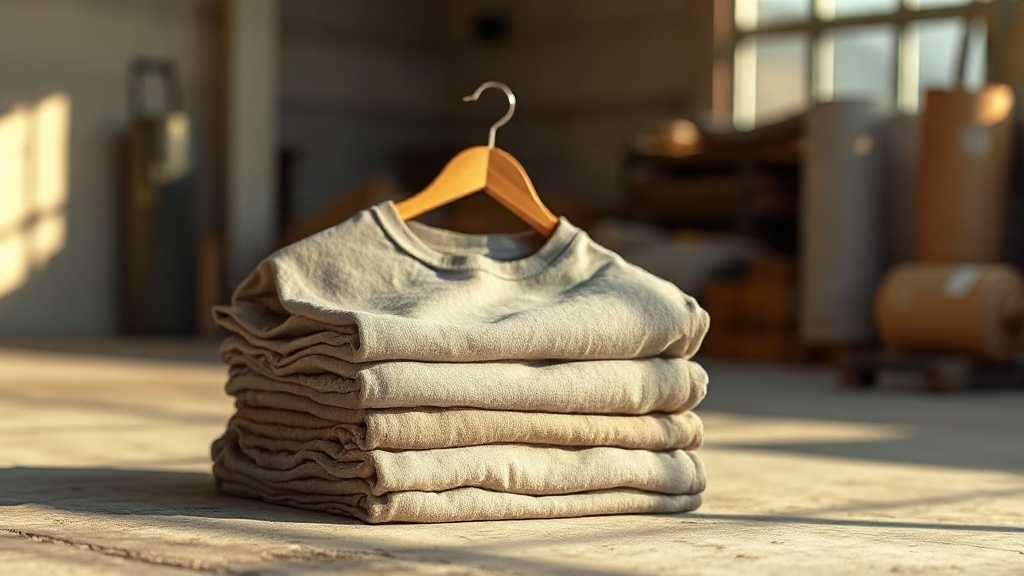
Walk into almost any screen printing shop and you will spot them stacked on the shelves: plain tees, hoodies, and crewnecks with a simple woven tag. Shaka Wear started as a Los Angeles label making basic blanks, and over the past decade it has turned into one of the most requested names in streetwear and custom apparel. The reason is not marketing hype. It is the combination of heavy cotton, boxy fits, and a price point that sits below premium fashion brands while outperforming most budget blanks. If you are sourcing shirts for a brand, a team, or a personal wardrobe, understanding what Shaka Wear actually offers will save you from ordering the wrong weight or cut.
What Is Shaka Wear?
Shaka Wear is a clothing manufacturer based in Los Angeles, California. The company built its reputation on heavyweight cotton basics, particularly t-shirts in the 6.0 to 7.5 ounce range. That is noticeably heavier than the standard 4.5 to 5.3 ounce tees you find in most retail multipacks. The brand also produces fleece, including hoodies and crewneck sweatshirts, plus tank tops, long sleeves, and workwear-inspired pieces.
The name comes from the shaka sign, the thumb-and-pinky gesture associated with surf culture and Hawaiian hospitality. That origin story matters less than what the brand became: a supplier for screen printers, embroidery shops, and independent labels that needed a reliable blank with a streetwear silhouette. Many small clothing brands built their first collections entirely on Shaka Wear tees before expanding into cut-and-sew manufacturing.
Why Heavyweight Cotton Matters
Fabric weight is measured in ounces per square yard, and it changes how a shirt drapes, feels, and holds up over time. A 6.0 ounce tee feels substantial in the hand. It does not cling to the body the way a thin 4.5 ounce shirt does. It also resists the stretched-out neckline and see-through thinness that plague lighter blanks after a few washes.
Shaka Wear's heavier options, such as the 7.5 ounce tees, sit in the same category as brands like Pro Club and Shaka's own heavyweight line. These shirts are popular in West Coast streetwear and in climates where a thicker cotton layer is comfortable year-round. The trade-off is warmth. A 7.5 ounce tee is not the right choice for a humid summer day, but it is excellent for layering under a jacket or wearing as a standalone piece in cooler months.
Common Shaka Wear Fabric Weights
- 5.3 to 6.0 ounce tees: everyday weight, good for printing and casual wear
- 6.5 to 7.0 ounce tees: heavier drape, popular for streetwear and skate brands
- 7.5 ounce tees: the heavyweight flagship, dense and structured
- Fleece hoodies and crewnecks: usually 8.0 to 10.0 ounce cotton or cotton-poly blends
When you order, check the product spec sheet rather than assuming every Shaka Wear tee is the same weight. The brand makes multiple lines, and the differences are significant enough to affect fit and print results.
Fit and Sizing: What to Expect
Shaka Wear leans toward a boxy, relaxed cut. The shoulders are wider, the body is straighter through the waist, and the sleeves tend to be a bit longer than a standard retail fit. This is intentional. It mirrors the oversized look that dominates streetwear, and it gives screen printers more surface area for large front and back graphics.
Sizing runs true to size for most people who want a regular fit, but if you prefer a fitted look, consider sizing down. If you want the classic oversized streetwear silhouette, order your normal size or one up. Because the fabric is heavy, a larger size will hang rather than cling, which is usually the desired effect.
One detail worth noting: heavyweight cotton shrinks. Most Shaka Wear tees are pre-shrunk, but a small amount of shrinkage after the first wash is normal. If you are printing a run of shirts for an event, wash one sample before finalizing your size breakdown so you are not surprised later.
Printing and Customization
This is where Shaka Wear earns its reputation among decorators. The tight, heavy cotton knit holds plastisol and water-based inks well. The surface is smooth enough for detailed screen printing and durable enough for embroidery on hoodies and crewnecks. The boxy cut also means large prints do not distort when the shirt is worn, because the fabric does not stretch across the chest the way a slimmer tee would.
If you are building a custom apparel line, heavyweight blanks like these are a smart starting point. They photograph well for product listings, they feel premium to the customer, and they hold up to repeated washing. That combination reduces returns and builds trust with buyers who notice the difference between a thin promotional tee and a shirt they actually want to keep.
Tips for Printing on Shaka Wear
- Test your ink and mesh count on a sample shirt before a full run.
- Use a heat press for transfers rather than a home iron to avoid uneven pressure.
- For embroidery, add a cut-away backing on fleece to stabilize the stitch.
- Wash and dry a printed sample to check for cracking or fading.
Shaka Wear vs. Other Blank Brands
Compared to Gildan, Shaka Wear is heavier and boxier. Gildan is a budget workhorse with a lighter hand and a more standard fit, which makes it a common choice for large promotional orders where cost per unit matters most. Compared to Bella+Canvas, Shaka Wear is thicker and less fashion-forward in its cuts; Bella+Canvas focuses on soft, retail-style fits and lighter weights. Compared to Pro Club, Shaka Wear is a close cousin in weight and silhouette, though the two brands differ slightly in shoulder width and sleeve length.
There is no single best blank. The right choice depends on your goal. If you want a shirt that feels substantial and photographs like streetwear, Shaka Wear is a strong option. If you want the lightest possible shirt for a summer giveaway, a lighter blank will serve you better.
How to Care for Heavyweight Cotton
Heavy cotton lasts longer when you treat it well. Wash in cold water and turn the shirt inside out to protect any printed graphics. Avoid high heat in the dryer, since it accelerates shrinkage and can crack screen-printed ink. Hang drying is ideal, but if you use a dryer, choose a low setting and remove the shirt while it is still slightly damp.
Do not use bleach on colored shirts unless the care label explicitly allows it. Fabric softener is also worth skipping, because it leaves a residue that can dull prints and reduce the absorbency of the cotton over time.
Frequently Asked Questions
Is Shaka Wear true to size?
For most people, yes. The brand runs true to size with a relaxed, boxy fit. If you want a slimmer look, size down. If you want the oversized streetwear silhouette, order your normal size or one size up.
What is the heaviest Shaka Wear t-shirt?
The heaviest tees in the lineup are around 7.5 ounces per square yard. These are dense, structured shirts that feel closer to a light sweatshirt than a standard tee. Most everyday Shaka Wear tees sit between 5.3 and 7.0 ounces.
Does Shaka Wear shrink after washing?
Most Shaka Wear tees are pre-shrunk, so shrinkage is minimal. A small amount of shrinking is normal after the first wash, especially if you use a hot dryer cycle. Cold washing and low-heat drying keep shrinkage to a minimum.
Can you print on Shaka Wear shirts?
Yes. The heavy, tight cotton knit is well suited to screen printing, heat transfer, and embroidery. The boxy cut gives you plenty of flat surface area for large front and back graphics, and the fabric holds ink without distorting.
Is Shaka Wear good for starting a clothing brand?
It is a popular starting point for independent labels because the blanks feel premium, photograph well, and cost less than cut-and-sew manufacturing. Many small streetwear brands launch their first collection on heavyweight Shaka Wear tees before moving into custom production.