
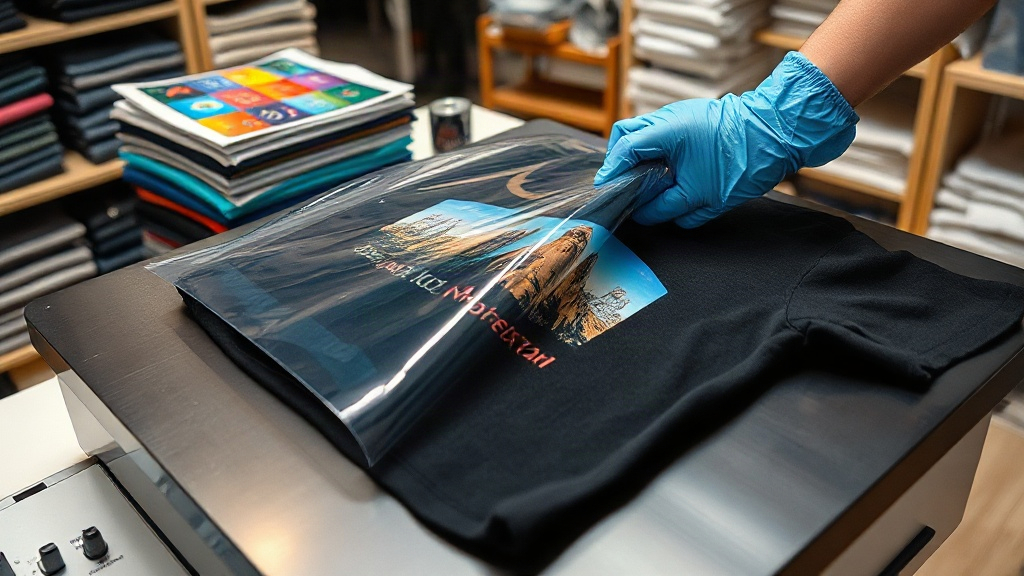
When you first hear about DTF transfers, you might wonder if they're just another passing trend in the custom apparel world. But after using them for several projects, I can tell you they're a game-changer. Unlike traditional screen printing or vinyl, DTF transfers let you print full-color designs on almost any fabric without the hassle of weeding or layering. Whether you're a small business owner or a DIY enthusiast, understanding DTF transfers can open up a world of possibilities for your creations.
What Are DTF Transfers?
DTF stands for Direct to Film. It's a printing method where your design is printed onto a special film, coated with a powder adhesive, and then heat-pressed onto the fabric. The result is a soft, stretchable print that bonds permanently with the material. Unlike DTG (Direct to Garment) printing, which requires pre-treatment and works best on cotton, DTF transfers adhere to a wide range of fabrics, including polyester, blends, and even leather.
The process involves a few key steps: designing, printing, powdering, curing, and pressing. Each step has its own nuances, but once you get the hang of it, you can produce professional-quality prints in minutes.
Why Choose DTF Transfers Over Other Methods?
There are several reasons why DTF transfers have become a favorite among crafters and professionals alike. Let's break down the main advantages.
No Weeding Required
If you've ever worked with heat transfer vinyl (HTV), you know the pain of weeding tiny details. DTF transfers eliminate that entirely. The film holds your entire design, so you simply press and peel. This saves hours on intricate designs.
Works on Multiple Fabrics
Cotton, polyester, nylon, leather, and even wood can be decorated with DTF transfers. The adhesive powder creates a strong bond on almost any surface, making it incredibly versatile for different projects.
Vibrant Colors and Fine Details
Because DTF printers use CMYK plus white ink, you can achieve photo-realistic images with smooth gradients and fine lines. The white ink layer ensures your design pops on dark garments without needing a separate white underbase.
Durability and Stretch
When applied correctly, DTF transfers withstand repeated washing without cracking or fading. The print stretches with the fabric, so it's ideal for athletic wear and stretchy materials.
The DTF Transfer Process: Step by Step
Ready to try it yourself? Here's a detailed walkthrough of the entire process, from start to finish.
Step 1: Design Preparation
Create your artwork in a vector or high-resolution raster format. Remember that DTF prints are mirrored, so flip your design horizontally before printing. Also, ensure your colors are in CMYK mode for accurate reproduction.
Step 2: Printing the Film
Load your DTF film into a DTF printer. These printers use specialized inks that are formulated to adhere to the film and later transfer to fabric. Print your design onto the film's coated side. The printer will lay down color inks followed by a white ink layer.
Step 3: Applying Adhesive Powder
While the ink is still wet, sprinkle hot-melt adhesive powder evenly over the printed area. Gently shake off excess powder. The powder sticks to the wet ink and will become the glue that bonds the design to the fabric.
Step 4: Curing the Powder
Place the film in a curing oven or under a heat press at around 160°C (320°F) for 2-3 minutes. The powder melts and forms a smooth, clear layer. Avoid overheating, as it can cause the film to warp.
Step 5: Heat Pressing onto Fabric
Set your heat press to 160°C (320°F) with medium pressure. Pre-press the garment for a few seconds to remove moisture. Place the transfer film on the fabric with the design facing up, and press for 15-20 seconds. Let it cool completely before peeling off the film. For a matte finish, you can use a Teflon sheet.
Common Mistakes and How to Avoid Them
Even with a straightforward process, beginners often run into issues. Here are some pitfalls and their solutions.
- Insufficient pressure: If the transfer doesn't adhere properly, increase the pressure on your heat press. Uneven pressure can cause parts of the design to lift.
- Wrong temperature: Too low, and the powder won't melt; too high, and the film may scorch. Always check your press with a temperature gun.
- Peeling too soon: Wait until the transfer is completely cool before peeling. Peeling hot can stretch the design or leave residue.
- Not pre-pressing: Moisture in the fabric can ruin the adhesion. Always pre-press for 5-10 seconds to evaporate any moisture.
Tips for Perfect DTF Transfers Every Time
After countless trials, I've picked up a few tricks that make a big difference.
- Use a quality DTF printer and inks: Cheaping out on supplies often leads to clogs and poor color output.
- Store film properly: Keep unused film in a cool, dry place to prevent static and dust.
- Test your settings: Every heat press is different. Run a small test print to dial in the ideal time, temperature, and pressure.
- Clean your platen: Residual adhesive can transfer to the next garment. Wipe down your press regularly.
Applications of DTF Transfers
DTF transfers are not just for t-shirts. They're used for tote bags, hoodies, caps, and even shoes. Because the prints are flexible, they work well on performance wear. Small businesses love DTF for short runs and personalized items, as there's no minimum order quantity.
At shirtscustomizer.com, we've seen customers create everything from team jerseys to bachelorette party shirts using DTF transfers. The possibilities are endless.
Frequently Asked Questions
How long do DTF transfers last?
With proper application and care, DTF transfers can last 50+ washes without significant fading or cracking. Turn the garment inside out and wash in cold water to prolong life.
Can I use DTF transfers on dark colors?
Absolutely. The white ink layer in DTF printing provides a bright base, so your colors remain vibrant on black, navy, or any dark fabric.
Do I need a special printer for DTF?
Yes, DTF requires a printer that uses DTF inks and can handle film. Converted Epson printers are popular, but dedicated DTF printers are also available.
What fabrics are not suitable for DTF?
Fabrics with a very rough texture or heavy coatings may not adhere well. Also, avoid using DTF on fabrics that cannot withstand heat, like certain nylons or delicate synthetics.
Can I layer DTF transfers?
Yes, you can layer multiple transfers, but it's best to press each layer separately and ensure proper adhesion. Keep in mind that layering may add thickness.
Final Thoughts
DTF transfers have revolutionized custom apparel by combining versatility, durability, and ease of use. Whether you're a hobbyist or a business owner, mastering this technique can set your creations apart. Remember to practice, experiment with settings, and always use quality materials. With a little patience, you'll be producing stunning DTF transfers in no time.