
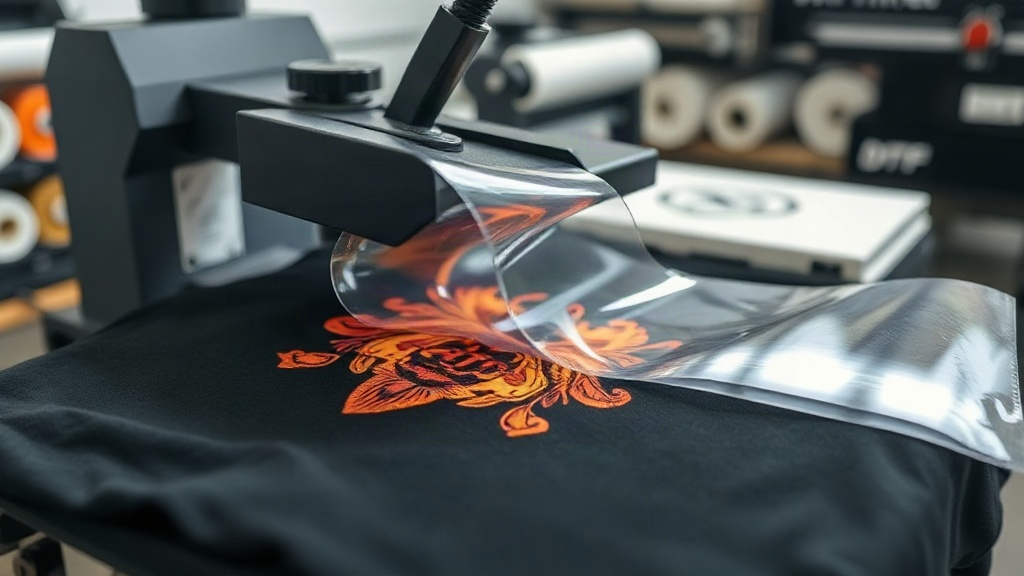
When you're creating custom apparel, the printing method you choose can make or break the final product. Among the many options, DTF transfers have emerged as a game-changer for both beginners and professionals. Unlike traditional screen printing or vinyl cutting, DTF transfers offer a unique combination of vibrant colors, fine detail, and durability that works on almost any fabric. Whether you're running a small business or just want to personalize shirts for an event, understanding DTF transfers can save you time, money, and frustration. In this guide, we'll dive deep into what DTF transfers are, how they work, and why they might be the perfect solution for your next project.
What Are DTF Transfers?
DTF stands for Direct to Film. It's a printing technology where your design is printed onto a special PET film using water-based inks, then coated with a hot-melt adhesive powder. Once the powder is cured, the transfer is ready to be applied to fabric using a heat press. The magic happens when heat and pressure bond the design permanently to the garment. Unlike DTG (Direct to Garment) printing, which requires the fabric to be pre-treated and works best on 100% cotton, DTF transfers can adhere to a wide range of materials, including cotton, polyester, blends, and even leather. This versatility makes DTF transfers a favorite for custom t-shirt businesses and hobbyists alike.
How DTF Transfers Work: Step by Step
To appreciate the value of DTF transfers, it helps to understand the process. Here's a breakdown of the key steps:
- Design Preparation: Your artwork is prepared digitally. It's important to mirror the image if your design has text, as the transfer will be flipped during application.
- Printing: The design is printed onto a PET film using a DTF printer with CMYK and white inks. The white ink acts as a base, allowing the colors to pop on both light and dark fabrics.
- Powdering: While the ink is still wet, a hot-melt adhesive powder is sprinkled over the film. The excess powder is shaken off, leaving a thin, even layer.
- Curing: The film is then heated to melt the powder, creating a dry, tacky surface that will bond with the fabric.
- Transfer Application: The cured film is placed on the garment and pressed with a heat press at a specific temperature and time (usually around 160°C for 15-20 seconds). After pressing, the film is peeled off (hot or cold peel depending on the film type), leaving the design behind.
Each step requires attention to detail, but the overall process is straightforward once you get the hang of it. The result is a soft, stretchable print that feels like part of the fabric.
Why Choose DTF Transfers Over Other Methods?
There are several compelling reasons why DTF transfers have gained such popularity. Let's compare them to other common printing techniques.
Versatility Across Fabrics
One of the biggest advantages is that DTF transfers work on almost any fabric. Cotton, polyester, nylon, leather, and even denim can all be decorated with DTF. This is a stark contrast to DTG, which primarily works on cotton, or vinyl, which can be tricky on stretchy materials. If you're printing on a variety of garments, DTF simplifies your workflow.
No Weeding or Cutting Required
With heat transfer vinyl (HTV), you have to cut your design and weed out the excess vinyl. This is time-consuming and limits the complexity of your designs. DTF transfers eliminate that entirely. You can print intricate designs with fine lines, gradients, and photographic details without any manual cutting. This saves hours of labor and reduces waste.
Vibrant Colors and Fine Details
DTF printers use a wide color gamut, and the white ink base ensures that colors remain vibrant even on dark shirts. The technology can reproduce high levels of detail, making it ideal for complex logos, illustrations, and even photos. The prints are also stretchable, so they won't crack or peel when the fabric stretches.
Durability and Washability
When applied correctly, DTF transfers are extremely durable. They can withstand dozens of washes without fading or cracking. The adhesive powder creates a strong bond that flexes with the fabric, so the print remains intact even after repeated wear. This makes DTF a great choice for workwear, sports jerseys, and everyday apparel.
Cost-Effective for Short Runs
For small batches or one-off designs, DTF transfers are more cost-effective than screen printing, which requires setup costs for each color. With DTF, you can print a single transfer for a few dollars, making it perfect for personalized gifts or samples. Even for larger runs, the lack of setup fees can make DTF competitive.
Common Applications of DTF Transfers
DTF transfers are used in a wide range of industries and personal projects. Here are some popular applications:
- Custom T-Shirts: From family reunions to corporate events, DTF allows for high-quality, full-color designs on demand.
- Sportswear: Team jerseys, yoga pants, and performance wear benefit from the stretchability and durability of DTF prints.
- Workwear: Uniforms and safety gear often require logos that withstand industrial washing; DTF delivers.
- Fashion and Boutiques: Small fashion brands use DTF to create limited-edition pieces with intricate designs.
- Promotional Items: Tote bags, hats, and even shoes can be decorated with DTF transfers.
The possibilities are nearly endless, limited only by your imagination.
Tips for Successful DTF Transfers
To get the best results with DTF transfers, follow these expert tips:
- Choose the Right Film: Not all DTF films are created equal. Select a film that matches your printer and desired finish (matte or glossy).
- Control Humidity and Temperature: DTF printing is sensitive to environmental conditions. Keep your workspace between 20-25°C and humidity around 50-60% for optimal ink and powder adherence.
- Use Quality Inks and Powders: Cheap supplies can lead to clogs, poor adhesion, and faded prints. Invest in reputable brands.
- Preheat Your Garment: Before pressing, preheat the fabric for a few seconds to remove moisture. This improves adhesion.
- Adjust Pressure and Temperature: Follow the film manufacturer's recommendations. Too little pressure or heat can cause the transfer to peel; too much can scorch the fabric.
- Test Peel: Always do a test press on a scrap piece of fabric to dial in your settings.
- Proper Storage: Store unused transfers in a cool, dry place away from direct sunlight to prevent premature curing.
By paying attention to these details, you'll achieve professional-looking results consistently.
DTF vs. Other Printing Methods: A Quick Comparison
Let's pit DTF against some common alternatives:
- DTF vs. DTG: DTG requires pre-treatment and works best on 100% cotton. DTF works on more fabrics and doesn't need pre-treatment, but DTG can be more cost-effective for large runs on cotton.
- DTF vs. Screen Printing: Screen printing is cheaper for large orders but has setup costs and limited colors. DTF excels for short runs and complex designs.
- DTF vs. Vinyl: Vinyl is limited to simple designs and requires weeding. DTF handles intricate details and is more durable.
- DTF vs. Sublimation: Sublimation only works on polyester and light-colored fabrics. DTF works on any color and fabric type.
Each method has its place, but DTF offers a unique blend of versatility, quality, and efficiency.
Frequently Asked Questions About DTF Transfers
How long do DTF transfers last?
With proper application and care, DTF transfers can last as long as the garment itself. They typically withstand 50+ washes without significant fading or cracking. To maximize longevity, wash the garment inside out in cold water and avoid harsh detergents or bleach.
Can I use DTF transfers on dark fabrics?
Absolutely! DTF transfers include a white ink base that makes colors pop on dark fabrics. This is one of the key advantages over other methods like sublimation, which requires light-colored polyester.
Do I need a special printer for DTF transfers?
Yes, you need a DTF printer that uses DTF inks and can print white ink. However, you can also buy pre-printed DTF transfers from suppliers if you don't want to invest in a printer. Many online services allow you to upload your design and receive ready-to-press transfers.
What is the best temperature and time for pressing DTF transfers?
Most DTF transfers require a temperature of 160°C (320°F) for 15-20 seconds with medium pressure. However, always check the instructions from your transfer supplier, as different films may have specific requirements. Cold peel vs. hot peel also varies, so follow the guidelines.
Can I stretch DTF prints?
Yes, DTF prints are flexible and can stretch with the fabric without cracking. This makes them ideal for athletic wear and garments that need to move with the body.
Final Thoughts
DTF transfers have truly transformed the custom apparel industry, offering unparalleled versatility, vibrant colors, and durability. Whether you're a hobbyist or a business owner, incorporating DTF into your workflow can open up new creative possibilities and streamline production. By understanding the process and following best practices, you can achieve professional results that impress your customers. So why not give DTF a try for your next project? With the right supplies and a bit of practice, you'll be creating stunning custom apparel in no time.