
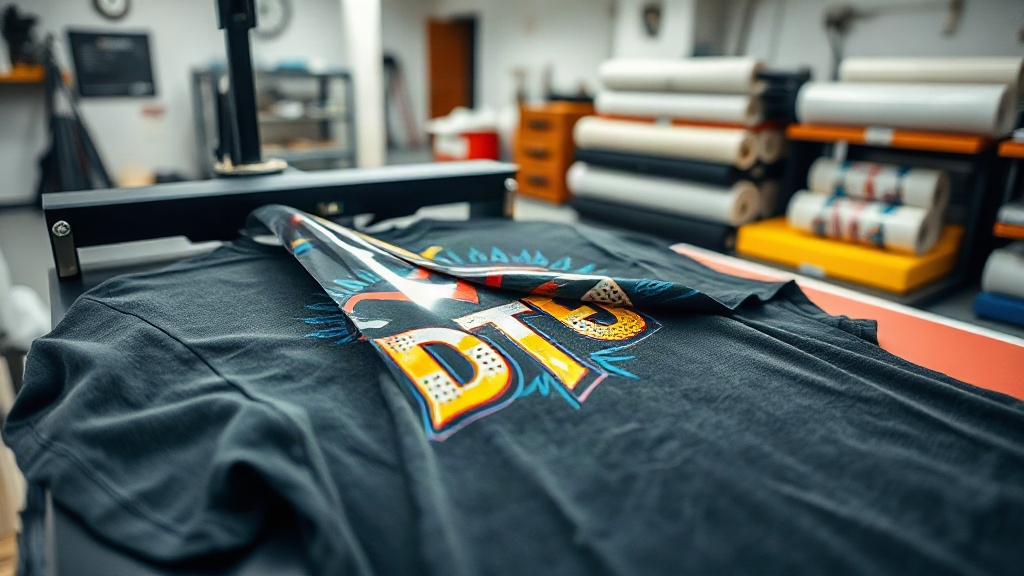
When you're in the business of custom apparel, the printing method you choose can make or break your designs. Enter DTF transfers—a technology that's quickly become the go-to for creators who want vibrant, long-lasting prints on almost any fabric. Whether you're a small startup or an established brand, understanding DTF transfers can open up a world of possibilities for your products.
What Are DTF Transfers?
DTF stands for Direct-to-Film. It's a printing process where your design is printed onto a special film, coated with a powder adhesive, and then heat-pressed onto the fabric. Unlike DTG (Direct-to-Garment) or screen printing, DTF transfers don't require pre-treatment of the garment, and they work on a wide range of materials, including cotton, polyester, and blends. The result? A soft, stretchable print that holds up wash after wash.
Why DTF Transfers Are a Game-Changer for Custom Apparel
If you've ever struggled with cracking vinyl or fading screen prints, DTF transfers offer a refreshing alternative. Here are a few reasons why they're gaining traction:
- Versatility: Works on almost any fabric, including dark colors and synthetic materials.
- Durability: The prints resist cracking, peeling, and fading, even after multiple washes.
- Detail: Achieve fine lines, gradients, and photographic images with stunning clarity.
- Cost-effective for small batches: No need for minimum orders or expensive setup like screen printing.
- Ease of use: With a heat press, you can apply transfers in minutes, making it perfect for on-demand production.
The DTF Transfer Process: Step by Step
Curious about how it all comes together? Here's a breakdown of the DTF transfer workflow:
- Design preparation: Create your artwork in a graphics program, ensuring it's mirrored and sized correctly.
- Printing: Using a DTF printer, your design is printed onto a PET film with special inks.
- Powder application: While the ink is still wet, a hot-melt adhesive powder is sprinkled over the film.
- Curing: The film goes through a curing oven or heat press to melt the powder, creating a dry, tacky surface.
- Transfer: The film is placed on the garment and heat-pressed, transferring the design permanently.
- Peeling: Once cooled, the film is peeled away, leaving a vibrant, flexible print.
Design Tips for Stunning DTF Transfers
To get the most out of your DTF transfers, keep these design principles in mind:
Use High-Resolution Images
Because DTF can reproduce intricate details, start with high-resolution files (300 DPI or higher). This ensures crisp edges and smooth gradients.
Consider Fabric Color
While DTF transfers can print white ink as a base, the fabric color can still influence the final look. For light garments, you might not need a white underbase, but for dark ones, it's essential for vibrant colors.
Test Wash Durability
Always perform a wash test on a sample before selling. A properly applied DTF transfer should withstand at least 50 washes without significant fading or cracking.
Common Applications of DTF Transfers
DTF transfers are incredibly versatile. Here are some popular uses:
- Custom t-shirts for events, teams, or businesses
- Personalized hoodies and sweatshirts
- Activewear with stretchy fabrics
- Tote bags and accessories
- Corporate uniforms with logos
DTF vs. Other Printing Methods
How does DTF stack up against other common printing techniques?
DTF vs. DTG
DTG (Direct-to-Garment) prints directly onto the fabric and works best on 100% cotton. It requires pre-treatment and can be less durable on synthetic fabrics. DTF, on the other hand, adheres to almost any material and often outlasts DTG in wash tests.
DTF vs. Screen Printing
Screen printing is cost-effective for large orders but requires setup and is limited in color complexity. DTF excels in small batches and full-color designs without setup fees.
DTF vs. Vinyl
Heat transfer vinyl (HTV) is great for simple designs but can't handle intricate details or gradients. DTF transfers can reproduce photographic images with ease.
Getting Started with DTF Transfers
Ready to dive in? Here's what you'll need:
- A DTF printer (or a service that provides DTF transfer films)
- DTF ink and PET film
- Adhesive powder
- A heat press
- A curing oven (optional but recommended for larger operations)
If you're not ready to invest in a printer, many companies offer DTF transfer services where you can send your design and receive ready-to-press films. This is a great way to test the waters before committing to equipment.
Frequently Asked Questions About DTF Transfers
How long do DTF transfers last?
With proper application and care, DTF transfers can last as long as the garment itself, often exceeding 50 washes without noticeable fading or cracking.
Can I use DTF transfers on dark colors?
Absolutely! DTF transfers include a white ink base, so they show up vividly on dark fabrics. Just ensure you apply enough pressure and time during heat pressing.
Do I need a special printer for DTF transfers?
Yes, DTF requires a dedicated DTF printer that uses pigment inks and can handle PET film. However, you can also order pre-printed transfers from a service.
What fabrics work best with DTF transfers?
DTF works on cotton, polyester, blends, and even nylon. It's one of the most versatile printing methods available.
Is DTF transfer cost-effective for small businesses?
Yes, especially for small to medium batches. There are no minimum orders or setup costs, making it ideal for startups and custom orders.