
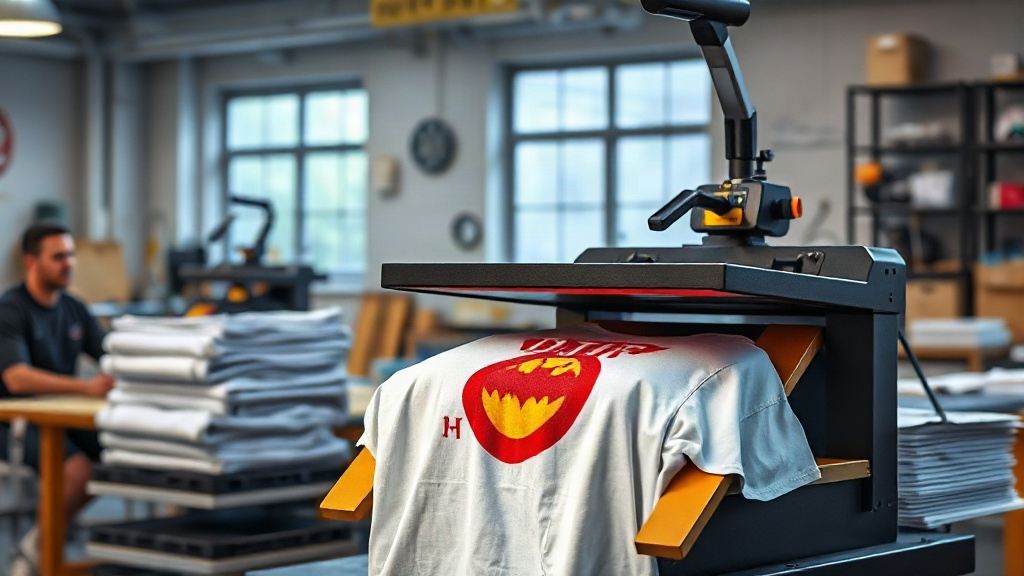
If you've been exploring custom apparel printing, you've likely encountered DTF transfers. This innovative technology has quickly become a favorite among decorators and DIY enthusiasts alike, offering a unique blend of vibrant colors, exceptional durability, and remarkable versatility. Unlike traditional methods that often require specific fabrics or complicated setups, DTF transfers open up a world of possibilities for creating stunning, long-lasting designs on a wide range of garments. Whether you're a small business owner looking to offer custom shirts, a sports team manager wanting matching jerseys, or simply someone who loves personalized clothing, understanding DTF transfers can unlock new creative and practical opportunities.
What Are DTF Transfers?
DTF stands for Direct to Film. It's a printing process where your design is printed onto a special film, coated with a thermoplastic powder, and then heat-pressed onto the fabric. The result is a bright, detailed image that adheres securely to the material. The magic lies in the film and the powder: the film holds the ink, and the powder acts as a glue that bonds with the fabric fibers when heat is applied. This method differs from DTG (Direct to Garment) or screen printing because the design is not printed directly onto the shirt; instead, it's transferred from the film. This extra step might seem minor, but it's what gives DTF transfers their unique advantages.
A Brief History
While DTF technology has been around for a few years, it gained massive popularity in the early 2020s as advancements made it more accessible and affordable. Initially, it was used mostly for small runs and samples, but as printers and films improved, it became a viable option for production-scale orders. Today, DTF transfers are used worldwide for everything from custom t-shirts to intricate hoodie designs.
Why Choose DTF Transfers for Custom Apparel?
There are several compelling reasons why DTF transfers have become a go-to solution for custom apparel. Let's break down the key benefits.
1. Vibrant Colors and Fine Details
DTF printing uses CMYK plus white ink, allowing for a vast color gamut. This means you can achieve photorealistic images, smooth gradients, and fine lines that other methods might struggle with. The white ink layer ensures that colors pop even on dark fabrics, which is a common limitation for DTG printing. Whether you're printing a detailed logo or a colorful illustration, DTF transfers deliver exceptional clarity.
2. Works on Almost Any Fabric
One of the biggest advantages of DTF transfers is their compatibility with a wide range of materials. You can apply them to cotton, polyester, blends, leather, and even some synthetic fabrics. This versatility means you're not limited to 100% cotton shirts; you can decorate performance wear, canvas bags, and more. This opens up endless possibilities for product offerings.
3. Durability and Washability
When applied correctly, DTF transfers are incredibly durable. They resist cracking, peeling, and fading, even after multiple washes. The key is proper application and following care instructions. Unlike some vinyl transfers that can feel stiff, DTF prints have a soft hand feel and stretch with the fabric, making them comfortable to wear. This durability makes them ideal for items that will see frequent use, like work uniforms or team jerseys.
4. Cost-Effective for Small and Large Runs
DTF transfers are cost-effective for both short and long runs. There's no need for screens or setup fees, so you can print a single shirt or hundreds at a similar per-unit cost. For small businesses or individuals, this eliminates the barrier of high minimums. Plus, you can easily order transfers and apply them on demand, reducing inventory waste.
5. Easy to Use
Applying DTF transfers is straightforward with a heat press. The process involves placing the transfer on the garment, applying heat and pressure for a specified time, and then peeling the film. It's a skill that can be learned quickly, making it accessible for home-based crafters and professional shops alike.
How DTF Transfers Are Made
Understanding the production process can help you appreciate the quality and make informed decisions. Here's a step-by-step overview:
- Design Preparation: Your artwork is prepared in a graphics program, ensuring it's in the correct format and color mode (CMYK).
- Printing: A DTF printer prints the design onto a special PET film using pigment inks. The printer lays down a white ink base followed by the color layers.
- Powder Application: While the ink is still wet, a thermoplastic powder is sprinkled evenly over the printed design. The powder sticks to the ink.
- Curing: The film passes through a heat source (like a curing oven) to melt the powder, creating a smooth, adhesive layer.
- Transfer: The cured film is now ready to be heat-pressed onto the fabric. The heat and pressure activate the adhesive, bonding the design to the material.
- Peeling: After pressing, the film is peeled away (hot or cold peel depending on the film type), leaving the design behind.
Each step requires attention to detail to ensure the final transfer meets quality standards. For those looking to offer custom apparel, partnering with a reliable DTF transfer supplier can streamline this process.
DTF vs. Other Printing Methods
How do DTF transfers stack up against other popular decoration methods? Let's compare.
DTF vs. DTG
DTG (Direct to Garment) prints directly onto the fabric, which is great for 100% cotton but less effective on blends or dark colors. DTF, on the other hand, works on a wider range of fabrics and produces more vibrant colors on dark garments because of the white ink layer. DTF also tends to have a softer feel and better durability. However, DTG can be more cost-effective for large runs on light-colored cotton.
DTF vs. Screen Printing
Screen printing is the go-to for large orders of simple designs with few colors. It offers excellent durability and a classic look. However, it requires setup costs and is not economical for small runs or complex designs with many colors. DTF transfers shine for detailed, multi-color designs and small to medium runs, with no setup fees and easy customization.
DTF vs. Vinyl
Heat transfer vinyl (HTV) is popular for simple designs and personalization. It's easy to use but limited in color complexity and can feel stiff on large areas. DTF transfers allow for full-color, detailed images and have a softer hand, making them superior for intricate artwork.
Applications of DTF Transfers
The versatility of DTF transfers means they can be used for a myriad of items beyond t-shirts. Here are some popular applications:
- T-shirts and Tops: From basic tees to performance wear, DTF works on all.
- Hoodies and Sweatshirts: The stretchability of DTF makes it ideal for fleece and knits.
- Denim and Canvas: Add designs to jeans, jackets, and tote bags.
- Sportswear: Jerseys, shorts, and leggings benefit from DTF's flexibility and durability.
- Promotional Items: Caps, aprons, and even face masks can be decorated.
- Home Decor: Pillows, blankets, and wall hangings can feature custom prints.
If you're looking to create custom apparel, DTF transfers offer a reliable and creative solution. At shirtscustomizer.com, we specialize in providing high-quality DTF transfers and custom printing services to bring your ideas to life.
Tips for Successful DTF Transfer Application
To get the best results from your DTF transfers, follow these practical tips:
- Use a Heat Press: While an iron can work, a heat press ensures even pressure and consistent temperature, which are critical for proper adhesion.
- Pre-Press the Garment: This removes moisture and wrinkles, creating a smooth surface for the transfer.
- Follow Temperature and Time Guidelines: Each transfer film may have specific requirements. Typically, temperatures range from 300°F to 350°F (150°C to 175°C) for 10-15 seconds.
- Apply Pressure: Medium to heavy pressure is usually needed. Ensure the press is locked securely.
- Peel Correctly: Some films are hot peel, others cold peel. Check the instructions. Cold peel often yields a smoother finish.
- Post-Press: After peeling, a second press for a few seconds (with a cover sheet) can enhance durability.
- Wash Inside Out: To prolong the life of the print, wash the garment inside out in cold water and tumble dry low.
By mastering these steps, you can achieve professional-looking results consistently.
Common Mistakes to Avoid
Even with a straightforward process, mistakes can happen. Here are some pitfalls to watch out for:
- Insufficient Pressure: This leads to poor adhesion and early peeling.
- Wrong Temperature: Too low and the adhesive won't activate; too high and you can scorch the fabric or film.
- Not Pre-Pressing: Moisture can cause the transfer to lift.
- Peeling Too Early or Late: Follow the film's instructions for hot or cold peel.
- Using the Wrong Film: Ensure the film matches your fabric type (e.g., stretch film for stretchy fabrics).
Avoiding these mistakes will save you time and materials.
Frequently Asked Questions About DTF Transfers
How long do DTF transfers last?
With proper application and care, DTF transfers can last as long as the garment itself. They resist cracking and fading for 50+ washes.
Can I apply DTF transfers to polyester?
Yes, DTF transfers work well on polyester and polyester blends. However, you may need to adjust temperature settings to avoid scorching.
Do I need a special printer for DTF transfers?
Yes, DTF printing requires a dedicated DTF printer and supplies. Alternatively, you can order pre-printed transfers from a supplier like shirtscustomizer.com.
What is the best way to store DTF transfers?
Store them in a cool, dry place away from direct sunlight. Keep them flat to prevent creasing. They can last for months if stored properly.
Can I stretch a DTF transfer?
Yes, DTF transfers have some stretchability, making them suitable for stretchy fabrics. However, excessive stretching may cause cracking over time.
Ready to elevate your custom apparel game? Explore the possibilities with DTF transfers and see the difference for yourself. Whether you're a business or a hobbyist, the quality and versatility of DTF can help you stand out.