
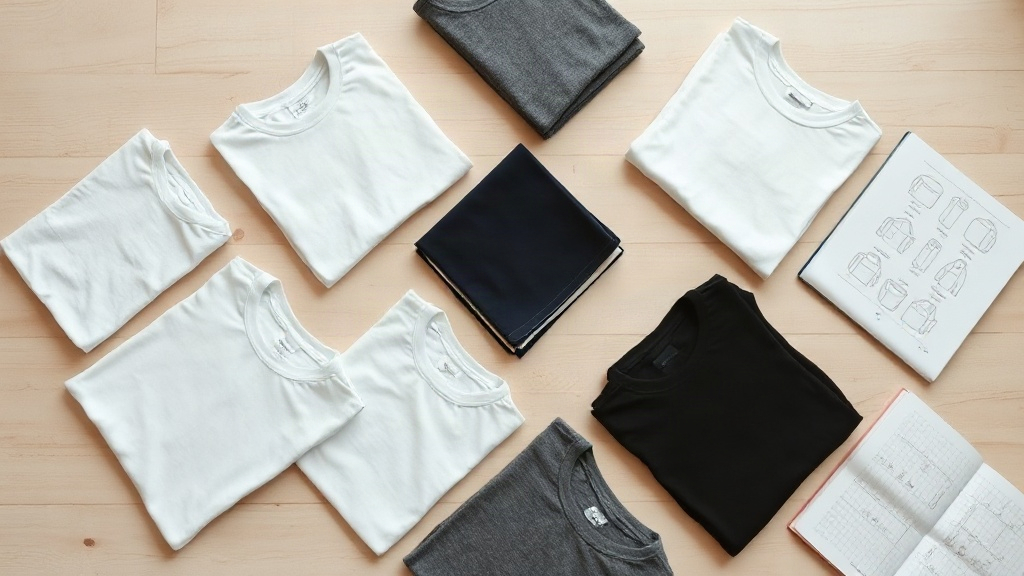
When you set out to create custom shirts, the finished product is only as good as the blank it starts with. That's where smart blanks come in. These aren't just any ordinary t-shirts; they are carefully engineered garments designed specifically for decoration, offering the perfect canvas for your designs. Whether you're a small business owner, a event organizer, or a creative individual, choosing the right blank can mean the difference between a shirt that's worn once and one that becomes a favorite. In this article, we'll explore what makes smart blanks special, how to select them, and how to get the most out of your custom apparel projects.
What Are Smart Blanks and Why Do They Matter?
Smart blanks are high-quality, undecorated garments that have been optimized for printing techniques such as screen printing, direct-to-garment (DTG), embroidery, and heat transfer. Unlike standard blanks, they feature tighter fabric weaves, consistent thread counts, and superior dyeing processes. This results in sharper prints, reduced ink bleed, and a softer feel that lasts wash after wash.
But why should you care? Because the blank is the foundation of your custom shirt. A cheap blank can ruin even the most stunning design, leading to cracked prints, faded colors, and uncomfortable wear. Smart blanks, on the other hand, are made with the end result in mind, ensuring your artwork looks vibrant and professional.
The Key Characteristics of Smart Blanks
- Fabric quality: Typically 100% ring-spun cotton or high-performance blends that are soft yet durable.
- Consistent construction: Double-needle stitching, shoulder-to-shoulder taping, and side seams for a better fit.
- Print-friendly surface: Smooth, tight weave that holds detail without distortion.
- Colorfastness: Dyes that resist fading and bleeding, keeping your design sharp.
- Comfort: Breathable materials and thoughtful cuts that people actually want to wear.
How to Choose the Right Smart Blank for Your Project
Not all smart blanks are created equal. The ideal choice depends on your design, printing method, and target audience. Here are the main factors to consider:
1. Fabric and Weight
Cotton is the go-to for most custom shirts, but the weight matters. Lightweight (4-5 oz) fabrics are great for summer events and give a vintage feel, while midweight (5.5-6.5 oz) offers versatility and durability. Heavyweight (7+ oz) is ideal for workwear and streetwear. Blends like cotton-polyester add strength and moisture-wicking properties.
2. Fit and Style
Your audience's preference should guide the fit. Classic fits appeal to a broad range, while slim or relaxed fits cater to specific niches. Also consider necklines: crew necks are standard, but V-necks and scoop necks can add a stylish twist.
3. Printing Method Compatibility
Different blanks work better with certain printing techniques. For example, 100% cotton is perfect for screen printing and DTG, while polyester blends are excellent for sublimation and heat transfer. Embroidery requires a stable fabric that won't pucker, so heavier cottons or twills are best.
4. Color Selection
Smart blanks come in a wide array of colors, from classic neutrals to trending hues. If you plan to print light designs, you'll need a light blank; dark designs pop on lighter backgrounds. Also, consider how the color will affect the overall vibe of your brand.
Top Printing Techniques for Smart Blanks
Once you've chosen your blank, the next step is decoration. Here's a rundown of popular methods and how they interact with smart blanks:
Screen Printing
Best for large orders and bold designs. The ink sits on top of the fabric, so a smooth blank ensures even coverage. Plastisol inks are durable but can feel heavy; water-based inks penetrate the fabric for a softer feel.
Direct-to-Garment (DTG)
Ideal for detailed, full-color designs and small batches. DTG works best on 100% cotton with a tight weave, as the ink is absorbed into the fibers. Pretreatment may be needed for darker colors.
Heat Transfer and Vinyl
Great for names, numbers, and simple graphics. The adhesive bonds well to cotton and blends, but avoid stretching the design after application.
Embroidery
Adds a premium, textured look. Choose a stable fabric like a heavyweight cotton or a poly-cotton blend to support the stitches without distorting the shape.
Care Tips to Keep Your Custom Shirts Looking New
Even the best smart blanks need proper care to maintain their appearance. Follow these guidelines:
- Turn the shirt inside out before washing to protect the print.
- Use cold water and a gentle cycle to prevent fading and shrinkage.
- Avoid fabric softeners and bleach, which can break down fibers and inks.
- Dry on low heat or hang dry to prevent cracking.
- Iron inside out, avoiding the printed area.
Where to Source Smart Blanks
You can find smart blanks from reputable wholesalers like Bella+Canvas, Next Level, and Gildan. Many online retailers offer sample packs so you can test the feel and printability before committing to a bulk order. At Shirts Customizer, we've curated a selection of top-tier blanks that meet our strict quality standards, ensuring your custom shirts start on the right foot.
Frequently Asked Questions About Smart Blanks
What makes a blank "smart"?
A smart blank is designed with decoration in mind, featuring a tight weave, consistent dyeing, and superior construction to ensure excellent print results and long-lasting comfort.
Can I use smart blanks for embroidery?
Yes, but choose a stable fabric like heavyweight cotton or a poly-cotton blend to support the stitches without puckering. Avoid lightweight or stretchy fabrics for complex embroidery.
How do I know which smart blank is best for my design?
Consider your printing method, design complexity, and target audience. For detailed DTG prints, opt for 100% ring-spun cotton; for durable screen prints, a midweight cotton works well. Always order samples to test.
Are smart blanks more expensive?
They can be slightly pricier than basic blanks, but the superior quality and print results often justify the cost. Plus, they reduce waste from misprints and returns.
How should I care for my custom shirt made from a smart blank?
Wash inside out in cold water, avoid bleach and fabric softener, and dry on low heat. This will keep the print and fabric looking new for years.
Choosing the right smart blanks is the first step toward creating custom shirts that people love to wear. With the right blank, your designs will look better, last longer, and leave a lasting impression. Ready to elevate your custom apparel? Explore our collection of smart blanks at Shirts Customizer and start your next project with confidence.