
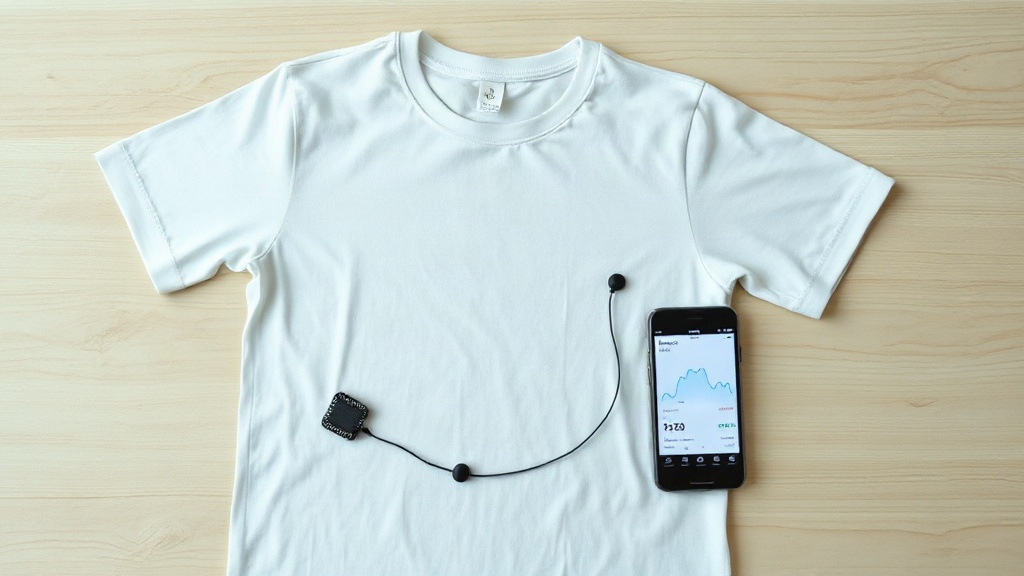
Imagine a t-shirt that tracks your heart rate, a hoodie that heats up on chilly mornings, or a jacket that changes color with your mood. This isn't science fiction; it's the emerging world of smart blanks. These innovative garments combine high-quality fabrics with embedded technology, opening new doors for customization and personalization. For businesses, brands, and individuals alike, smart blanks represent a exciting frontier in apparel. In this article, we'll explore what smart blanks are, why they matter, and how you can leverage them for your next custom project.
What Are Smart Blanks?
Smart blanks are essentially base garments (like t-shirts, hoodies, or leggings) that come with integrated technology or are designed to accommodate tech components. Unlike traditional blanks, which are simple canvases for printing or embroidery, smart blanks incorporate features such as conductive threads, sensor pockets, or modular attachment points. They are the foundation for building interactive, functional apparel without starting from scratch.
These garments are typically made from advanced fabrics that are breathable, stretchable, and durable, ensuring comfort while housing electronics. The technology can be as simple as a hidden pocket for a fitness tracker or as complex as woven sensors that monitor biometrics. The key is that the blank is pre-engineered to work with technology, making it easier for designers and brands to create smart clothing.
Why Smart Blanks Are Gaining Traction
The rise of smart blanks is driven by several factors. First, consumers are increasingly interested in wearable technology that goes beyond wristbands and smartwatches. They want clothing that adapts to their lifestyle, whether for fitness, health monitoring, or sheer convenience. Second, advancements in flexible electronics and conductive fabrics have made it possible to integrate technology without sacrificing comfort or washability. Finally, the customization industry is always looking for the next big differentiator, and smart blanks offer a way to stand out in a crowded market.
For businesses, smart blanks provide an opportunity to add value to promotional products or corporate apparel. Imagine company swag that not only looks good but also serves a practical function, like a jacket that keeps you warm during outdoor events. For fitness brands, smart blanks can be the backbone of high-tech activewear that tracks performance. The possibilities are vast.
Types of Smart Blanks
Smart blanks come in various forms, each with its own set of features and applications. Here are some common categories:
- Sensor-Ready Apparel: These blanks have built-in pockets or channels for inserting sensors, such as heart rate monitors or GPS trackers. They are popular in athletic wear.
- Conductive Fabric Blanks: Made with conductive threads woven into the fabric, these blanks can transmit data or power. They are often used for touch-sensitive interfaces or heating elements.
- Modular Blanks: These garments feature attachment points (like snaps or Velcro) for adding tech modules, such as lights, speakers, or batteries. They offer maximum flexibility.
- Thermoregulating Blanks: Incorporating phase-change materials or heating elements, these blanks help regulate body temperature. They are ideal for outdoor gear.
- Illuminating Blanks: With integrated LEDs or fiber optics, these blanks can light up for safety or style. They are great for nightlife or running gear.
How to Choose the Right Smart Blank for Your Project
Selecting the right smart blank depends on your goals, budget, and target audience. Here are key factors to consider:
1. Define Your Purpose
What do you want the garment to do? Is it for fitness tracking, safety, fashion, or corporate branding? Knowing the primary function will narrow down your options. For example, if you need heart rate monitoring, look for sensor-ready blanks with proper placement for chest straps.
2. Consider Comfort and Durability
Smart clothing must be comfortable to wear, or people won't use it. Look for soft, breathable fabrics that don't irritate the skin. Also, check washability: can the technology withstand repeated washing? Many smart blanks are designed to be machine washable, but always follow care instructions.
3. Evaluate Tech Integration
Some blanks come with proprietary technology that may lock you into a specific ecosystem. Others are open, allowing you to integrate third-party devices. Decide whether you want a turnkey solution or the flexibility to customize.
4. Budget and Scalability
Smart blanks can be more expensive than traditional blanks, so consider your budget. If you're producing in bulk, can the supplier scale? Also, factor in the cost of the technology components if they're not included.
Customization Options for Smart Blanks
One of the biggest advantages of smart blanks is that they can be customized just like regular apparel. You can add your logo, designs, or messaging using various techniques. Here's how:
- Screen Printing: Works well on flat areas, but avoid printing over sensors or conductive elements. Use flexible inks that won't crack.
- Embroidery: Adds a premium look. Be careful not to pierce conductive threads or delicate components.
- Heat Transfer Vinyl: Great for detailed designs. Ensure the heat press doesn't damage electronics.
- Patches and Appliqués: Can be sewn or adhered, but again, mind the tech zones.
- Digital Printing: Allows for complex, multi-color designs. Use water-based inks for breathability.
When customizing, always test on a sample first to ensure the technology remains functional. Also, consider the placement of your design to avoid interfering with sensors or wiring.
Applications of Smart Blanks Across Industries
Smart blanks are not limited to fitness. They are making waves in various sectors:
Healthcare
Remote patient monitoring is a growing field. Smart blanks with embedded sensors can track vital signs continuously, providing valuable data to healthcare providers. They offer a comfortable alternative to bulky monitors.
Sports and Fitness
Athletes use smart blanks to monitor performance metrics like heart rate, respiration, and muscle activity. This data helps optimize training and prevent injury.
Corporate and Promotional
Companies are using smart blanks for branded apparel that offers utility. For example, a jacket with a built-in phone charger or a beanie with Bluetooth speakers can be a hit at events.
Fashion and Entertainment
Designers are experimenting with smart blanks to create interactive fashion pieces that respond to sound, movement, or environment. These garments are often seen on runways and in performances.
Challenges and Considerations
While smart blanks are exciting, they come with challenges. Power supply is a major one: how do you power the technology? Batteries must be lightweight, long-lasting, and safe. Durability is another concern; electronics must withstand wear and tear, including washing. Privacy and data security are also critical, especially for health-monitoring garments. Finally, cost can be prohibitive for small businesses. However, as technology advances, these issues are being addressed, and prices are gradually decreasing.
Future Trends in Smart Blanks
The future of smart blanks looks promising. We can expect more seamless integration, with sensors printed directly onto fabric. Energy harvesting from body movement or solar cells may eliminate batteries. AI could analyze data in real-time, providing actionable insights. Customization will become even easier, with modular designs that allow users to swap tech components. As the Internet of Things (IoT) expands, smart clothing will become part of a connected ecosystem, interacting with other devices in our lives.
How to Get Started with Smart Blanks
If you're intrigued by smart blanks, here's a step-by-step approach:
- Research: Identify your needs and find suppliers that offer smart blanks. Look for reviews and case studies.
- Prototype: Order samples and test the technology. Ensure it meets your requirements for comfort and functionality.
- Design: Work with a designer to create custom graphics that complement the tech features. Consider placement carefully.
- Test: Before full production, test the customized garment for washability, durability, and user experience.
- Launch: Once satisfied, go into production and market your innovative product. Highlight the tech benefits to attract customers.
Frequently Asked Questions
What are smart blanks and how do they differ from regular blanks?
Smart blanks are base garments that include integrated technology or are designed to house tech components, such as sensors or conductive threads. Unlike regular blanks, they enable functionality like biometric tracking, heating, or illumination, while still serving as a canvas for customization.
Can I wash smart blanks without damaging the technology?
Many smart blanks are designed to be machine washable, but you must follow the manufacturer's instructions. Typically, you should remove any detachable tech modules, use cold water, and avoid harsh detergents. Always check the care label.
Are smart blanks suitable for corporate giveaways?
Absolutely. Smart blanks can be customized with your logo and offer practical features that recipients will appreciate, such as a built-in phone charger or fitness tracker pocket. They make memorable and useful promotional items.
What customization methods work best on smart blanks?
Screen printing, embroidery, and heat transfer vinyl are common, but you must avoid placing designs over sensors or conductive areas. Digital printing with water-based inks is also a good option. Always test on a sample first.
Where can I buy smart blanks for my business?
You can find suppliers online by searching for 'smart blanks' or 'tech-integrated apparel blanks.' Look for reputable manufacturers that offer samples and have clear care instructions. Some specialize in specific types, like sensor-ready or heating garments.