
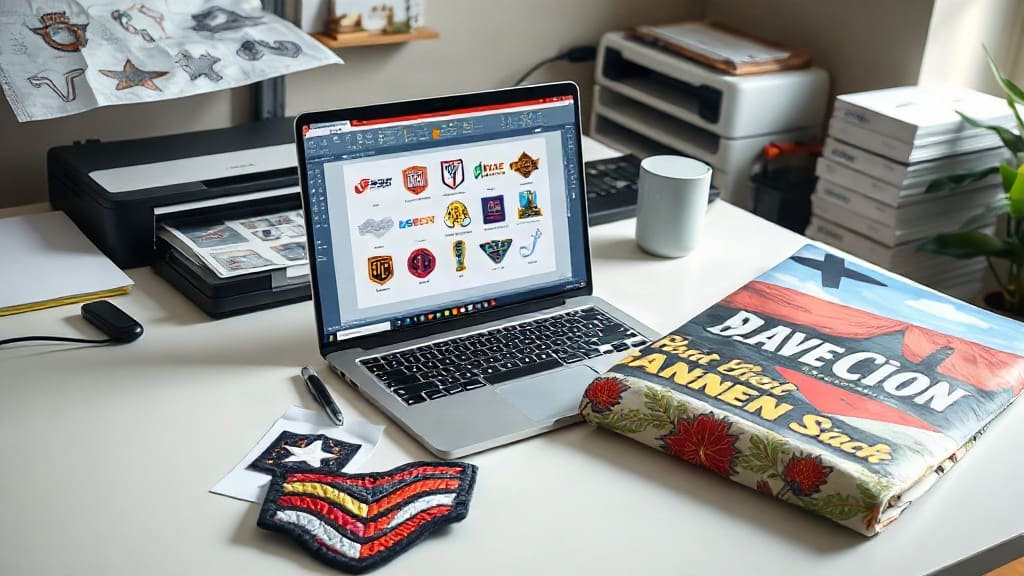
Starting a brand or looking to expand your product line? print on demand has revolutionized how entrepreneurs and businesses bring ideas to life without inventory risk. While t-shirts and mugs often dominate the conversation, two products stand out for their versatility and impact: custom patches and custom banner. These items serve distinct purposes, from personalizing apparel to advertising events, and they're perfect for POD models. In this guide, I'll share practical insights based on my experience working with these products, covering everything from production methods to marketing tips.
Why Choose Print on Demand for Patches and Banners?
The beauty of print on demand lies in its low barrier to entry. You don't need to invest in bulk inventory or worry about unsold stock. Instead, you create designs, upload them to a provider, and they handle production and shipping as orders come in. This model is especially beneficial for custom products like patches and banners, which often require customization per order. By using POD, you can offer unique, personalized items that cater to niche audiences without upfront costs.
Understanding Custom Patches in the POD World
custom patches are embroidered or woven emblems that can be attached to clothing, bags, hats, or used as collectibles. They've become popular in fashion, sports, and corporate branding. With POD, you don't need to order hundreds of identical patches; you can sell them one by one or in small sets, each with your design.
Types of Custom Patches You Can Offer
There are several types of patches, each with unique characteristics:
- Embroidered patches: Classic and textured, made by stitching thread onto a fabric base. They offer a premium feel and durability.
- Woven patches: Similar to embroidered but with finer detail, allowing for more intricate designs and text.
- PVC patches: Made from soft rubber-like material, perfect for 3D designs and outdoor use.
- Iron-on patches: These have a heat-activated adhesive backing, making them easy to apply at home.
When choosing which type to sell, consider your target audience. For fashion brands, embroidered patches are a hit. For outdoor or tactical gear, PVC patches are more durable. Offering a variety can attract a broader customer base.
How to Design Patches for POD
Designing for patches requires attention to detail. Since patches are small, your design should be clear and recognizable at a glance. Avoid tiny text or overly complex images. Use bold colors and high contrast. Most POD providers have minimum size requirements, like 2 inches, and recommend a vector file for best results. If you're not a designer, tools like Canva or Adobe Express offer templates specifically for patches.
The Role of Custom Banners in Print on Demand
custom banner is a powerful marketing tool for events, storefronts, trade shows, and even online creators. Unlike patches, banners are large-format printed items that capture attention. In a POD context, you can sell banners in various sizes and materials, allowing customers to personalize them for their needs.
Popular Uses for Custom Banners
Banners serve multiple purposes:
- Event banners: For birthdays, weddings, or corporate events, these add a festive touch.
- Advertising banners: Businesses use them to promote sales or new products.
- Trade show displays: Durable banners that can be reused for exhibitions.
- Backdrops: For photo booths or video backgrounds, often used by content creators.
- Indoor/outdoor signage: Directional signs or welcome boards.
By offering customizable banners, you tap into a market that values personalization and quick turnaround.
Materials and Sizes for Custom Banners
Banners come in various materials, each suited for different environments:
- Vinyl banners: Most common, durable, and weather-resistant. Ideal for outdoor use.
- Fabric banners: Made from polyester, they have a premium look and are often used indoors or for backdrops.
- Mesh banners: Allow wind to pass through, perfect for large outdoor installations.
Standard sizes range from 2x4 feet to 4x8 feet, but some providers offer custom dimensions. When selling, offer size options and clearly state the material's best use case.
Production Processes: How POD Handles Patches and Banners
Understanding the production process helps you set realistic expectations for your customers. For custom patches, the typical process involves:
- You upload your design and choose patch type, size, and backing.
- The provider digitizes your design into a stitch file (for embroidered) or creates a mold (for PVC).
- Production takes a few days, depending on complexity.
- Quality check and packaging.
For custom banner, the process is faster:
- Upload your high-resolution design (often PDF or JPEG with specific DPI).
- Select material, size, and finishing options like hemming and grommets.
- Production typically takes 1-2 days.
- Shipping varies based on size and destination.
Many POD platforms integrate with e-commerce sites like Shopify, streamlining order fulfillment. You don't have to worry about printing or shipping logistics.
Design Tips for POD Patches and Banners
Creating eye-catching designs is crucial for sales. Here are some tips I've learned:
- Keep it simple: For patches, intricate details get lost in embroidery. For banners, too much text can be overwhelming.
- Use high contrast: Ensure your design stands out from a distance, especially for banners.
- Consider the background: For banners, choose a background that doesn't clash with your text.
- Test readability: Print a small sample or view at 100% zoom to ensure text is legible.
- Provide templates: If you offer customization, provide editable templates so customers can easily add their own text.
Marketing Strategies for POD Patches and Banners
Once your products are live, you need a marketing plan. Here are effective strategies:
Target Niche Audiences
Instead of targeting everyone, focus on specific groups. For patches, think of hobbyists like scouts, bikers, or gamers. For banners, consider small businesses, event planners, or churches. Tailor your designs and marketing messages to these niches.
Leverage Social Media
Visual platforms like Instagram and Pinterest are perfect for showcasing your patches and banners. Post high-quality photos of your products in use. Use relevant hashtags like #custompatches or #eventbanner. Engage with your audience by responding to comments and messages.
Offer Bundles and Discounts
Encourage larger orders by offering discounts on bulk purchases. For example, buy 5 patches get 10% off. This increases your average order value.
Provide Excellent Customer Service
Since POD involves third-party production, be transparent about shipping times. Offer design assistance to customers who need help. Positive reviews will build trust.
Common Challenges and How to Overcome Them
Like any business, POD has its hurdles. Here are some issues you might face:
- Quality control: Since you don't produce the items, quality may vary. Order samples from your provider to check quality. If issues arise, contact your provider's support team.
- Shipping times: Custom products take longer to produce. Clearly state production and shipping times on your product pages to manage expectations.
- Returns and refunds: Develop a clear policy. If a product is defective, offer a replacement or refund.
Choosing the Right POD Provider
Selecting a reliable provider is crucial. Look for platforms that offer both custom patches and custom banner. Consider factors like:
- Product quality: Read reviews or order samples.
- Pricing: Compare base costs and shipping fees.
- Integration: Ensure they integrate with your e-commerce platform.
- Customization options: Do they offer various backings, sizes, and materials?
- Customer support: Test their responsiveness.
Real-Life Success Stories
To inspire you, here are examples of successful POD ventures:
- Patch brand for motorcycle clubs: They offer custom embroidered patches for different clubs, allowing members to order small quantities.
- Event banner company: A small business that sells personalized banners for birthdays, using a POD platform to handle printing.
Conclusion
Incorporating custom patches and custom banner into your print on demand business can open up new revenue streams. By understanding the products, designing effectively, and marketing smartly, you can attract customers seeking personalization. Start small, test your products, and scale based on feedback. The POD model reduces risk, allowing you to focus on creativity and customer satisfaction.
Frequently Asked Questions
Can I really make custom patches with print on demand without minimum order quantities?
Yes, many POD services offer no minimum order for patches. You can sell single patches or in sets. However, keep in mind that per-unit costs may be higher than bulk production, so price your items accordingly.
What file format is best for custom banner printing?
For banners, it's best to provide a high-resolution PDF or JPEG file with a resolution of at least 150 DPI at the final print size. If your design contains text, ensure it is converted to outlines to avoid font issues.
How long does it take to produce and ship custom patches and banners?
Production times vary by provider and complexity. Patches typically take 3-5 business days, while banners often take 1-2 days. Shipping adds additional time depending on your location and chosen method. Always check your provider's estimated timelines.
Can I use my own design for custom patches and banners?
Absolutely. Most POD platforms allow you to upload your own artwork. For patches, ensure your design is in vector format (AI, EPS, SVG) for the best result. For banners, high-resolution raster files work well.
Are custom patches and banners profitable in a print on demand model?
Profitability depends on your pricing strategy and costs. Since you avoid inventory, your risk is low. With effective marketing and desirable designs, these products can be quite profitable. Focus on niche markets where customers are willing to pay for personalization.