
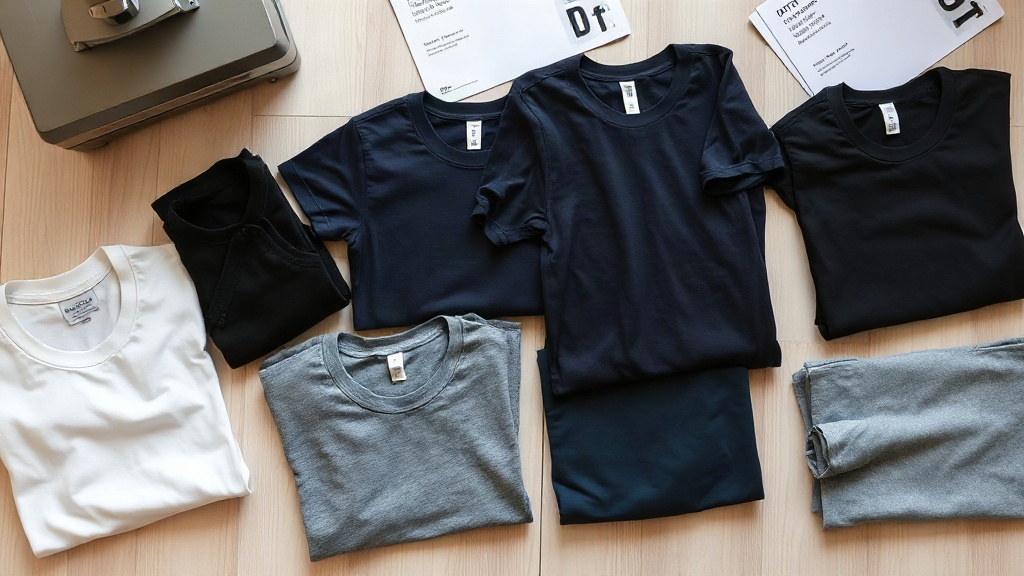
When it comes to creating custom apparel that stands out, the foundation of your design matters just as much as the artwork itself. Enter smart blanks – a new generation of garments engineered to enhance print quality, comfort, and longevity. Whether you're a small business owner, a screen printer, or a DIY enthusiast, understanding the role of smart blanks can elevate your creations from ordinary to extraordinary. In this article, we'll dive deep into what makes smart blanks unique, how brands like Shaka Wear are leading the charge, and why DTF transfers are the perfect pairing for these innovative garments.
What Are Smart Blanks?
Smart blanks are not your average t-shirts or hoodies. They are garments specifically designed with the end decoration in mind. Unlike traditional blanks that might have inconsistent stitching, uneven surfaces, or shrinking issues, smart blanks are crafted with precision to ensure a flawless canvas for printing, embroidery, or heat transfer. Key characteristics include:
- Optimal fabric blends: Typically a mix of cotton and polyester, or 100% ringspun cotton, providing a smooth surface that holds ink well.
- Reinforced stitching: Double-needle hems and shoulder-to-shoulder taping prevent distortion during printing and washing.
- Pre-shrunk: Minimizes shrinkage after the first wash, so your designs stay put.
- Consistent sizing: Reliable fit across batches, crucial for bulk orders.
These features might seem subtle, but they make a world of difference when you're producing custom apparel at scale. Smart blanks reduce waste, save time, and ensure a professional finish that customers notice.
Why Shaka Wear Stands Out in the Smart Blanks Market
Among the many brands offering smart blanks, Shaka Wear has carved a niche for itself with a commitment to quality and streetwear-inspired aesthetics. Founded in Los Angeles, Shaka Wear draws from urban culture, delivering garments that are both trendy and durable. Their blanks are a favorite among customizers for several reasons:
- Heavyweight fabrics: Shaka Wear's tees often weigh 6.0 oz or more, giving them a premium feel and excellent opacity for printing.
- Modern fits: From classic crew necks to oversized hoodies, their cuts appeal to contemporary fashion sensibilities.
- Color consistency: Batch-to-batch color matching ensures your brand's look remains uniform.
- Ethical manufacturing: Many Shaka Wear products are produced in facilities with fair labor practices, aligning with consumer values.
When you choose Shaka Wear for your custom projects, you're not just getting a blank; you're getting a garment that enhances the perceived value of your designs. Customers are more likely to wear and promote apparel that feels good and looks stylish, which in turn boosts your brand's visibility.
The Role of DTF Transfers in Customization
Now that you have the perfect blank, how do you decorate it? Direct-to-film (DTF) transfers have emerged as a game-changer for custom apparel. This technology allows you to print intricate, full-color designs onto a special film, which is then heat-pressed onto the garment. The result is a vibrant, durable print that adheres to a wide range of fabrics, including the cotton-poly blends common in smart blanks.
Advantages of DTF Transfers
- No color limitations: Unlike screen printing, DTF can reproduce gradients, photographs, and fine details without extra cost.
- Works on multiple fabrics: From 100% cotton to polyester and blends, DTF transfers bond securely.
- Soft feel: Modern DTF films are thin and flexible, so the print doesn't feel like a plastic patch.
- Durability: When applied correctly, DTF prints withstand dozens of washes without cracking or fading.
The synergy between smart blanks and DTF transfers is undeniable. The smooth, consistent surface of smart blanks ensures even adhesion, while the DTF process brings your most complex designs to life. For small businesses and startups, this combination offers a low-barrier entry into high-quality custom apparel without investing in expensive screen-printing equipment.
How to Choose the Right Smart Blank for Your Project
Not all smart blanks are created equal, and selecting the right one depends on your specific needs. Consider these factors:
1. Fabric Weight and Composition
Lighter fabrics (4.0–5.0 oz) are great for summer tees and promotional items, while heavier weights (6.0 oz and up) work well for streetwear and hoodies. Cotton-poly blends offer the best of both worlds: the comfort of cotton and the durability of polyester. For DTF transfers, a minimum of 50% cotton is often recommended for optimal adhesion, but many blends perform excellently.
2. Fit and Style
Do you want a classic fit, a slim fit, or an oversized look? Smart blanks come in various cuts. Shaka Wear, for instance, offers a range of fits from standard to oversized, catering to different demographics. Order samples to test how the fit aligns with your target audience.
3. Color Options
A wide color palette allows you to match brand colors or create seasonal collections. Ensure the blank's color is dyed consistently and won't bleed during the DTF application (which uses heat).
4. Budget and Order Quantity
Smart blanks may cost slightly more than basic blanks, but the reduced waste and higher customer satisfaction often justify the investment. For bulk orders, negotiate with suppliers for better pricing.
Best Practices for Applying DTF Transfers to Smart Blanks
To achieve professional results, follow these steps:
- Pre-press the garment: This removes moisture and wrinkles, ensuring a smooth surface.
- Position the transfer: Place the DTF film with the design facing up.
- Heat press: Use medium pressure at 325°F (160°C) for 15–20 seconds.
- Peel cool: Wait until the film cools completely before peeling for a matte finish, or peel hot for a glossy effect.
- Post-press: Cover with parchment paper and press again for 5–10 seconds to enhance durability.
Always test on a scrap piece first to dial in your press settings. Different DTF films and blanks may require slight adjustments.
Common Mistakes to Avoid with Smart Blanks and DTF
- Using too much pressure: This can cause the ink to spread or the fabric to scorch.
- Insufficient heat: Leads to poor adhesion and premature peeling.
- Ignoring fabric content: Some synthetics may melt under high heat; always check the care label.
- Skipping pre-treatment: Not pre-pressing can result in uneven prints.
Frequently Asked Questions
What exactly are smart blanks, and how do they differ from regular blanks?
Smart blanks are garments engineered for decoration, featuring consistent fabric, reinforced stitching, and pre-shrunk properties. Unlike regular blanks, they minimize common issues like shrinkage, uneven surfaces, and inconsistent sizing, ensuring a professional finish for custom prints.
Can I use DTF transfers on 100% polyester Shaka Wear garments?
Yes, DTF transfers work well on polyester, but you may need to lower the heat press temperature to around 300°F to avoid scorching. Always test first. Shaka Wear's polyester blends are popular for sportswear and activewear.
How durable are DTF prints on smart blanks after washing?
When applied correctly, DTF prints can last 50+ washes without significant fading or cracking. Turn the garment inside out, wash in cold water, and avoid fabric softeners to extend the life of the print.
Where can I buy smart blanks like Shaka Wear for my business?
Many online retailers and wholesalers carry Shaka Wear and other smart blanks. Look for suppliers that offer bulk discounts and consistent stock. Always request samples to verify quality before committing to large orders.
Is DTF printing more cost-effective than screen printing for small batches?
Absolutely. DTF transfers have low setup costs, making them ideal for small batches and one-off designs. Screen printing becomes more economical at higher quantities due to screen setup fees. For startups and personalized orders, DTF is often the better choice.
By combining the quality of smart blanks, the style of Shaka Wear, and the versatility of DTF transfers, you can create custom apparel that not only meets but exceeds customer expectations. Whether you're launching a new brand or adding to your existing line, these elements form a solid foundation for success.