
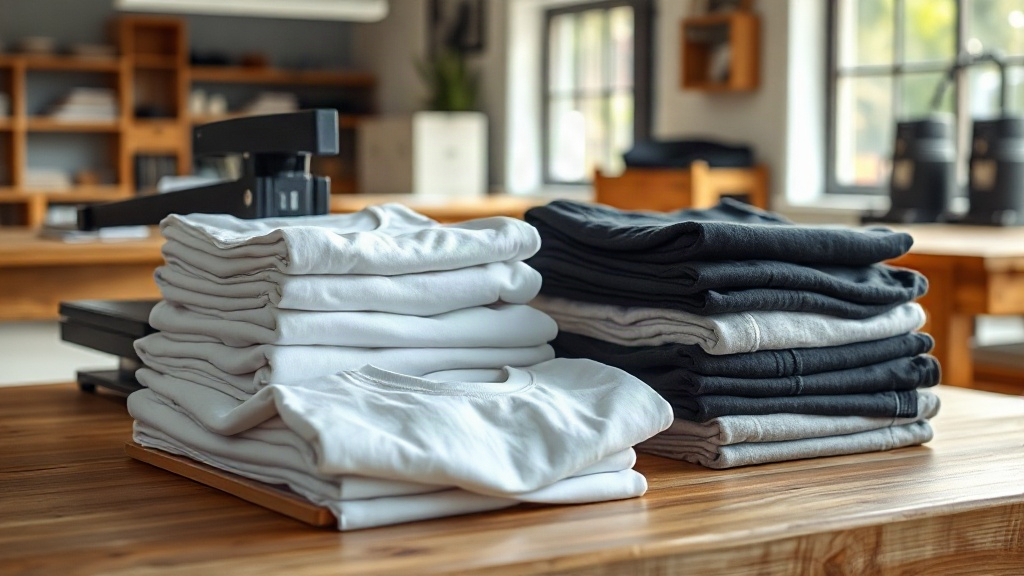
When you pull a freshly pressed DTF transfers shirt off the platen, the last thing you want is a print that cracks, fades, or peels after a few washes. The secret to long-lasting results isn't just in the transfer itself; it starts with the garment you choose. That's where smart blanks come into play. These are specially engineered fabrics and constructions designed to work flawlessly with heat-applied graphics, giving you a professional finish that holds up wear after wear. In this guide, we'll dive deep into what makes a blank "smart," why Shaka Wear is a standout choice, and how to pair the right blank with your DTF transfers for unbeatable quality.
What Are Smart Blanks?
The term smart blanks refers to apparel that is optimized for decoration. Unlike standard tees that might have inconsistent thread counts, heavy sizing, or problematic dyes, smart blanks are manufactured with decoration in mind. They feature tight, even weaves, minimal shrinkage, and surfaces that accept adhesives and inks uniformly. This means your DTF transfers adhere better, feel softer, and resist cracking. Smart blanks often also have specific fiber blends (like cotton-poly) that enhance durability and color vibrancy. When you choose smart blanks, you're not just buying a shirt; you're investing in a canvas that makes your artwork look its best.
Why DTF Transfers Demand Smart Blanks
DTF (Direct to Film) transfers have revolutionized custom apparel because they work on almost any fabric. However, "almost any" doesn't mean "all equally well." The quality of the final product depends heavily on the blank's characteristics. Here's why smart blanks are crucial for DTF:
- Adhesion: Smart blanks have a smooth, consistent surface that allows the transfer's adhesive to bond evenly. On rough or uneven fabrics, the adhesive may not reach all areas, leading to premature peeling.
- Durability: The weave and fiber content affect how well the print withstands stretching and washing. Smart blanks are engineered to minimize shrinkage and distortion, so your design stays put.
- Color vibrancy: A white or light-colored smart blank provides a neutral base that makes colors pop. Dark blanks require a white underbase in the transfer, but smart blanks ensure that underbase doesn't look chalky.
- Comfort: Smart blanks are often softer and lighter, so the printed area doesn't feel like a stiff patch. This is especially important for large designs.
Shaka Wear: A Smart Blank Powerhouse
When it comes to smart blanks, Shaka Wear has earned a reputation among decorators for its consistent quality and performance. Based in Los Angeles, Shaka Wear specializes in streetwear-inspired basics that are built to last. Their tees, hoodies, and crewnecks are made from premium fabrics, often with a cotton-poly blend that offers the best of both worlds: the softness of cotton and the durability of polyester.
What makes Shaka Wear particularly smart for DTF? Several factors:
- Fabric consistency: Shaka Wear garments are known for their tight knit and smooth surface, which means your DTF transfers apply evenly and look crisp.
- Colorfastness: Their dyeing processes ensure colors stay rich, even after multiple washes, so your printed design remains the focal point.
- Size retention: Shaka Wear blanks are pre-shrunk or treated to resist shrinkage, so the garment won't distort and cause the print to crack.
- Variety: From classic tees to heavyweight hoodies, Shaka Wear offers a range of styles that cater to different decoration needs.
Many custom apparel shops, including shirtscustomizer.com, rely on Shaka Wear for their DTF projects because they know the results will be consistently excellent.
How to Choose the Right Smart Blank for Your DTF Project
Not all smart blanks are created equal, and the best choice depends on your specific design and end-use. Here are key factors to consider:
Fabric Content
Cotton-poly blends (like 50/50 or 60/40) are often the go-to for DTF because they combine comfort with durability. 100% cotton is also popular, but it may shrink more and can be less forgiving with adhesion. Polyester-rich fabrics are great for vibrant colors but may require lower pressing temperatures to avoid dye migration. Smart blanks from Shaka Wear often use optimized blends that balance these factors.
Fabric Weight
Lighter fabrics (4-5 oz) are comfortable for warm weather but may not hold large transfers as well. Heavier fabrics (6 oz and up) provide a sturdy base that resists stretching and can support detailed designs. Consider the intended use: a promotional tee might be fine with a lighter blank, while a retail-quality hoodie demands a heavier one.
Color
White and light-colored blanks are the easiest for DTF because the transfer's white underbase blends in. Dark blanks require a white underbase in the transfer, which can make the print feel thicker. However, with smart blanks, the underbase adheres smoothly and looks less noticeable. Shaka Wear offers a wide range of colors, so you can find the perfect match for your design.
Weave and Texture
Look for tightly woven, smooth fabrics. Rough textures like heavy fleece or ribbed knits can interfere with adhesion. If you're printing on fleece, choose a smart blank with a smooth face (like Shaka Wear's fleece) to ensure the transfer bonds properly.
Best Practices for Applying DTF Transfers to Smart Blanks
Even with the best smart blanks, proper application is key to a professional finish. Follow these steps for optimal results:
- Pre-press the garment: This removes moisture and wrinkles, creating a smooth surface for the transfer. Set your heat press to the recommended temperature (usually 300-325°F for DTF) and press for 5-10 seconds.
- Position the transfer: Place the DTF transfer with the design facing up. Use heat-resistant tape if needed to keep it in place.
- Press: Apply medium to firm pressure for 15-20 seconds. The exact time and temperature may vary depending on the transfer supplier and fabric. Always test with a sample first.
- Peel: DTF transfers are typically cold peel or warm peel. Check your transfer's instructions. For cold peel, wait until the transfer is completely cool before peeling the film. For warm peel, peel while it's still warm but not hot.
- Post-press: For added durability, cover the design with a Teflon sheet or parchment paper and press again for 5-10 seconds. This ensures the adhesive fully cures.
When using Shaka Wear blanks, always refer to their specific care and pressing recommendations, as some fabrics may require slight adjustments.
Common Pitfalls to Avoid
Even experienced decorators can run into issues. Here are common mistakes when working with DTF transfers and smart blanks:
- Insufficient pressure: Not enough pressure prevents the adhesive from penetrating the fabric, leading to peeling. Make sure your press is calibrated.
- Over-pressing: Too much heat or time can scorch the fabric or cause the transfer to become brittle. Follow the transfer manufacturer's guidelines.
- Ignoring fabric composition: Using the wrong settings for polyester can cause dye migration, where the fabric's dye bleeds into the transfer. Smart blanks like those from Shaka Wear are less prone to this, but always test.
- Skipping pre-press: Moisture is the enemy of adhesion. Always pre-press to remove any residual moisture.
- Improper storage: Store DTF transfers in a cool, dry place to prevent the adhesive from absorbing moisture.
Why shirtscustomizer.com Recommends Smart Blanks and Shaka Wear
At shirtscustomizer.com, we've tested countless blanks and DTF transfers combinations. Time and again, smart blanks from Shaka Wear deliver outstanding results. Their garments provide a reliable foundation that makes our transfers look vibrant and last longer. Whether you're a small business owner creating custom merch or a hobbyist printing for friends, starting with a quality blank is the first step to success. We've seen firsthand how the right blank can turn a good print into a great one.
Frequently Asked Questions
What exactly are smart blanks and why are they important for DTF transfers?
Smart blanks are garments engineered for decoration, with features like tight weaves, consistent surfaces, and optimized fiber blends. They ensure DTF transfers adhere properly, resist cracking, and maintain color vibrancy. Without them, prints may peel or fade prematurely.
Is Shaka Wear a good brand for DTF printing?
Absolutely. Shaka Wear is highly regarded for its consistent quality, smooth fabrics, and durable construction. Their blanks are a favorite among DTF printers because they accept transfers well and hold up over time.
Can I use DTF transfers on any fabric, or do I need smart blanks?
DTF transfers can be applied to many fabrics, but the results vary. Smart blanks are specifically designed to optimize adhesion and durability, so they are recommended for professional-quality outcomes. Using them reduces the risk of common issues like peeling and fading.
How do I prevent DTF transfers from cracking on smart blanks?
Proper application is key. Pre-press the garment, use the correct temperature and pressure, and post-press for added durability. Also, choose a high-quality smart blank like Shaka Wear that is less prone to shrinkage and distortion, which can cause cracking.
Where can I buy smart blanks and DTF transfers?
You can find smart blanks from reputable brands like Shaka Wear at many wholesale suppliers. For DTF transfers, shirtscustomizer.com offers high-quality transfers that pair perfectly with smart blanks. Always source from trusted vendors to ensure consistency.