
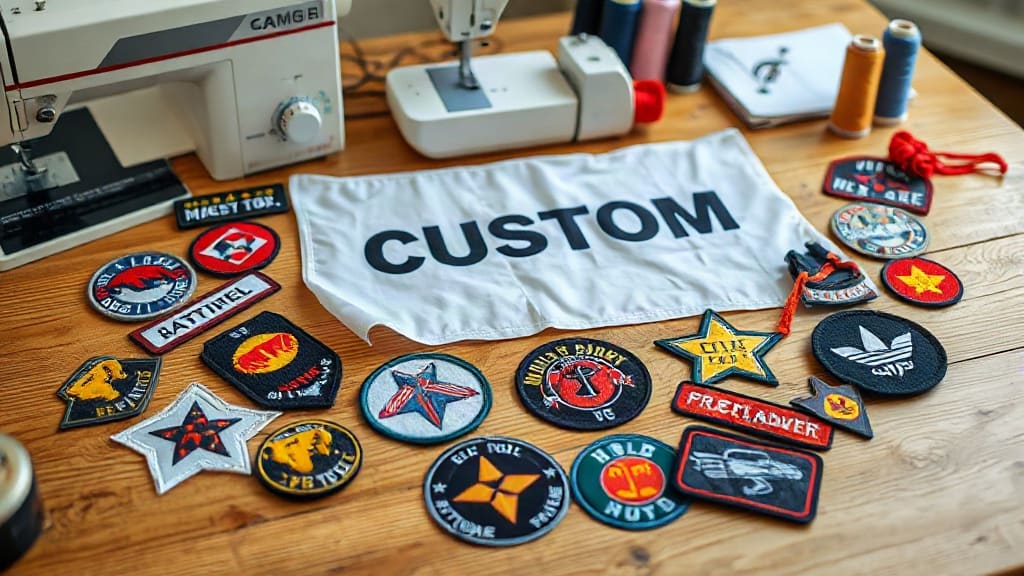
Starting a print on demand business opens up a world of creative possibilities, but standing out in a crowded market requires more than just uploading designs. One powerful way to differentiate your brand is by incorporating physical products like custom patches and custom banners into your offerings. These items add a tangible, premium feel that digital-only products can't match. In this guide, we'll explore how you can leverage these elements to build a thriving print on demand empire. Whether you're a seasoned seller or just starting out, you'll find actionable tips to elevate your business.
Why Print on Demand Needs a Physical Touch
Print on demand typically involves printing designs on products like t-shirts, mugs, and posters only after an order is placed. This model eliminates inventory risks and allows for endless customization. However, the market is saturated, and customers are bombarded with options. Adding custom patches and custom banners to your product line can set you apart by offering unique, high-quality items that tell a story.
Patches and banners are tactile; they can be worn, displayed, and shared. They create a sense of community and belonging, which is invaluable for building a loyal customer base. For example, a custom patch on a jacket becomes a conversation starter, while a custom banner at an event promotes your brand long after the event ends.
Designing Custom Patches That Sell
When it comes to custom patches, design is everything. Unlike a t-shirt print, patches have limitations in size and detail. You need to simplify your artwork without losing its essence. Start by considering the shape: embroidered patches work best with bold, simple shapes, while woven patches can handle finer details. For a vintage look, consider a merrowed edge; for a modern feel, go with a laser-cut edge.
Choosing the Right Materials
The material of your custom patches affects durability and perceived value. Cotton and polyester are common for embroidered patches, while silk and satin are used for woven ones. For a premium feel, consider leather or faux leather patches, which are popular in streetwear and outdoor gear. If you're targeting a niche like military or scouting, traditional twill with embroidery is a safe bet.
Don't forget the backing. Iron-on backing is convenient for customers, while Velcro backing allows for interchangeability. Sew-on patches are permanently attached, appealing to collectors. Offering multiple backing options can cater to different customer preferences and increase sales.
Color and Thread Choices
Color accuracy is crucial. Provide a color chart to customers or use a standardized thread palette like Madeira or Isacord. For print on demand, you can integrate a design tool that lets customers pick thread colors. However, too many options can overwhelm; curate a selection of 20-30 popular colors. Metallic threads add a touch of luxury, while glow-in-the-dark threads are fun for kids' products.
Custom Banners: Beyond the Basics
Custom banners are often overlooked in the print on demand world, but they offer immense potential. They can be used for events, storefronts, trade shows, and even as home decor. The key is to think beyond the standard rectangular vinyl banner. Consider shapes like pennants, circles, or even custom-cut shapes that match your logo.
Material and Finishing Options
Vinyl is the most common material for outdoor banners due to its durability and weather resistance. For indoor use, fabric banners like polyester or canvas offer a more elegant look. Finishing options include hemming, grommets, pole pockets, and reinforced edges. Offering these options can make your custom banners stand out.
For a premium touch, consider adding a wooden dowel and rope for a vintage aesthetic, or a retractable banner stand for trade shows. These upselling opportunities increase average order value and customer satisfaction.
Design Tips for Impactful Banners
Banners are viewed from a distance, so keep text large and legible. Use high-contrast colors and avoid clutter. If the banner is for an event, include the event name, date, and a call to action. For storefronts, focus on brand name and logo. Remember, a custom banner is a marketing tool; it should communicate your message quickly and effectively.
Integrating Patches and Banners into Your Print on Demand Store
To successfully add custom patches and custom banners to your print on demand store, you need to partner with reliable suppliers. Look for manufacturers that offer low minimum order quantities (MOQs) and fast turnaround times. Many suppliers now integrate with e-commerce platforms like Shopify and Etsy, allowing for seamless order fulfillment.
When listing these products, use high-quality mockups that show the patches on jackets, hats, or bags, and banners in real-world settings. This helps customers visualize the final product. Also, provide clear sizing charts and material descriptions to reduce returns.
Marketing Strategies for Patches and Banners
Promote your custom patches and custom banners through social media, especially Instagram and Pinterest, where visuals drive engagement. Run contests for the best patch design or offer limited-edition patches to create urgency. For banners, target local businesses, sports teams, and event organizers through direct outreach or targeted ads.
Collaborate with influencers or micro-influencers who align with your brand. Send them a custom patch or custom banner to showcase, and encourage their followers to order. User-generated content is powerful; encourage customers to share photos of their patches and banners for a chance to be featured.
Common Mistakes to Avoid
One common mistake is choosing the wrong material for the intended use. For example, using indoor vinyl for an outdoor banner will lead to fading and damage. Always match the material to the environment. Another mistake is overcrowding the design. Patches and banners need breathing room; simplify to make an impact.
Also, don't neglect quality control. Order samples before offering products to customers. Check stitching, color accuracy, and durability. A faulty custom patch or custom banner can damage your reputation.
Frequently Asked Questions
What is the difference between embroidered and woven patches?
Embroidered patches are made by stitching thread onto a fabric base, giving a raised, textured look. They are durable and ideal for simple designs. Woven patches are created by weaving threads together, allowing for finer details and a smoother finish. They are thinner and often used for complex logos or text.
Can I use custom banners indoors?
Yes, but choose the right material. Vinyl banners can be used indoors but may have a glossy finish that reflects light. For a more refined look, opt for fabric banners like polyester or canvas. These are lightweight, easy to hang, and can be washed if needed.
How do I ensure color accuracy for my custom patches?
Provide a Pantone color reference or a physical color swatch to your manufacturer. Most suppliers use thread color charts from brands like Madeira or Isacord. Request a digital or physical proof before production to confirm colors.
What is the typical turnaround time for custom patches and banners?
Turnaround times vary by supplier. For custom patches, expect 2-4 weeks for production and shipping. For custom banners, it can be 1-2 weeks. Rush options are often available for an extra fee. Always communicate deadlines with your supplier.
How can I market my custom patches and banners effectively?
Use social media to showcase your products in action. Create engaging content like behind-the-scenes videos of the design process. Offer limited-time discounts or bundle deals. Partner with influencers and encourage user-generated content to build trust and reach.
By incorporating custom patches and custom banners into your print on demand business, you add value, differentiate your brand, and create multiple revenue streams. Start small, test designs, and scale what works. With dedication and creativity, you can build a loyal customer base and stand out in the competitive print on demand landscape.