
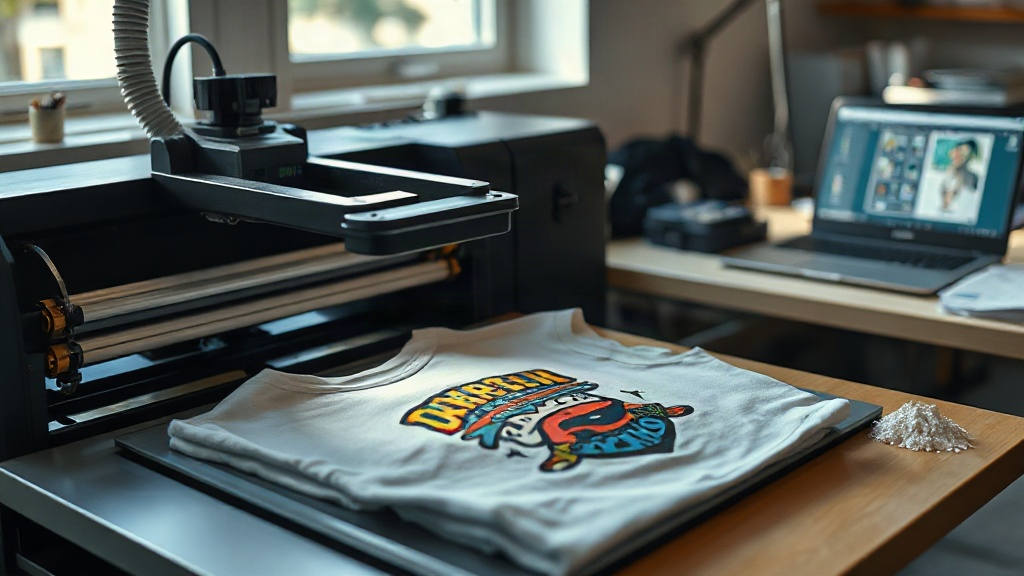
If you've been exploring custom apparel, you've likely encountered the term DTF. Direct-to-film printing is quickly becoming a favourite among hobbyists and small business owners for its versatility and vibrant results. Unlike traditional methods, DTF allows you to print full-colour designs on a wide range of fabrics with impressive durability. In this guide, we'll walk you through the essentials of DTF printing, from how it works to practical tips for getting started.
What Is DTF Printing?
DTF stands for Direct-to-Film. It's a printing technique where your design is printed onto a special film, then coated with a powder adhesive and transferred to fabric using a heat press. This method eliminates the need for weeding and allows for intricate, multi-colour designs without the limitations of layered vinyl. The result is a soft, stretchable print that adheres well to cotton, polyester, and blends.
How Does DTF Printing Work?
The process involves several key steps:
- Design Preparation: Create your artwork in a graphic software and mirror it before printing.
- Printing: Use a DTF printer with specialised inks to print onto a PET film.
- Powdering: While the ink is wet, apply a hot-melt adhesive powder evenly over the design.
- Curing: Heat the film to melt the powder, creating a dry, tack-free surface.
- Transfer: Place the film on your garment and apply heat and pressure with a heat press to transfer the design.
- Peeling: Once cooled, peel away the film to reveal your vibrant design.
Why Choose DTF Printing for Custom Apparel?
There are several compelling reasons why DTF printing stands out:
- Versatility: Works on almost any fabric, including cotton, polyester, blends, and even leather.
- No Weeding: Unlike vinyl, there's no tedious weeding process, saving time and reducing waste.
- Full-Colour Designs: Print complex, multi-colour images without colour limitations.
- Durability: Prints are stretchable and resistant to cracking, peeling, and fading.
- Cost-Effective for Small Runs: Ideal for small batches and one-off custom items.
DTF vs. Other Printing Methods
Understanding how DTF compares to other common methods can help you choose the right technique for your project.
DTF vs. DTG
Direct-to-garment (DTG) printing prints directly onto the fabric, which works best on 100% cotton. DTF transfers can be used on a wider range of fabrics and often produce more vibrant colours on dark garments.
DTF vs. Vinyl
Heat transfer vinyl (HTV) requires weeding and layering for multi-colour designs. DTF eliminates weeding and allows for full-colour prints in one go, making it faster and more efficient for complex designs.
DTF vs. Screen Printing
Screen printing is cost-effective for large orders but requires separate screens for each colour. DTF is more economical for small to medium runs and offers greater design flexibility.
Getting Started with DTF Printing
If you're ready to dive into DTF printing, here are the essentials you'll need:
- DTF Printer: A dedicated printer that uses DTF inks and prints onto film.
- DTF Film: Special PET film designed for DTF printing.
- Adhesive Powder: Hot-melt powder that bonds the ink to the fabric.
- Heat Press: For transferring the design onto the garment.
- Design Software: Such as Adobe Photoshop or Illustrator, to create your artwork.
Start with a quality printer and supplies to ensure consistent results. Practice on scrap fabric to perfect your heat press settings.
Tips for Successful DTF Printing
- Mirror Your Design: Always print your design in mirror image so it reads correctly after transfer.
- Control Moisture: Keep your film and powder dry to avoid clumping and poor adhesion.
- Preheat Garment: Remove wrinkles and moisture before transferring.
- Adjust Pressure and Temperature: Follow the recommended settings for your specific film and powder.
- Test Peel: Wait for the transfer to cool before peeling for a matte finish, or peel hot for a glossy look.
Applications of DTF Printing
DTF printing is perfect for a variety of custom items, including t-shirts, hoodies, tote bags, caps, and even shoes. It's a great choice for small businesses, event merchandise, personalised gifts, and promotional products.
Frequently Asked Questions
What fabrics can I use with DTF printing?
DTF transfers work on a wide range of fabrics, including cotton, polyester, cotton-poly blends, and even leather and denim. It's one of the most versatile printing methods available.
How durable is a DTF print?
When applied correctly, DTF prints are highly durable. They can withstand repeated washing without cracking, peeling, or fading. For best results, wash inside out in cold water and avoid ironing directly on the print.
Do I need a special printer for DTF printing?
Yes, you need a DTF printer that uses DTF inks and is designed to print on film. You can also convert some inkjet printers, but dedicated DTF printers offer better reliability and output quality.
Can I use DTF printing for small orders?
Absolutely. DTF printing is cost-effective for small batches and one-off items, making it ideal for personalised gifts, samples, or small business runs.