
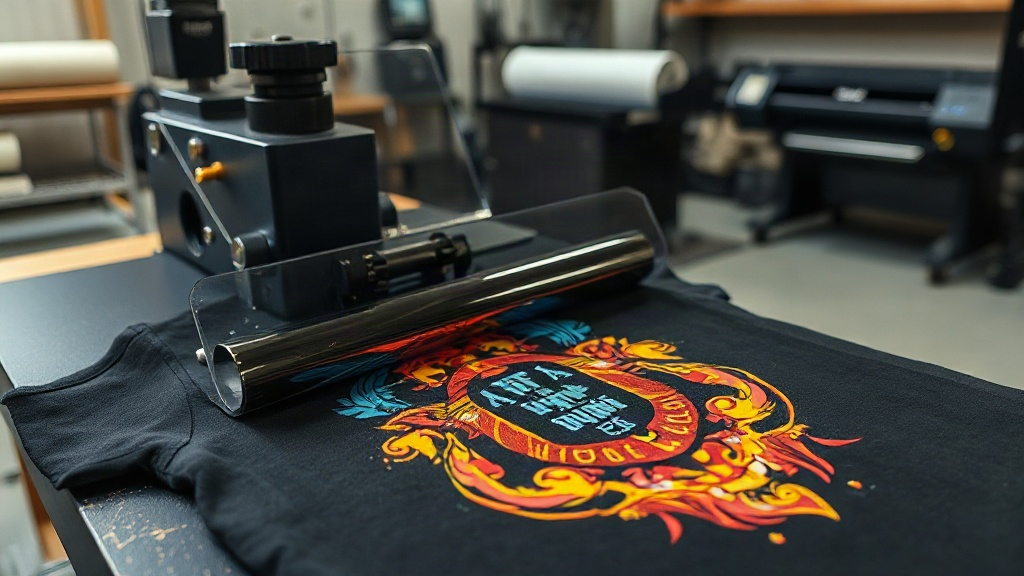
When it comes to custom apparel, the printing method you choose can make or break your designs. If you're tired of limitations like color restrictions or fabric compatibility, DTF transfers might be the game-changer you've been looking for. This innovative technology allows you to print full-color designs on a wide range of fabrics, from cotton to polyester blends, with incredible detail and durability. In this guide, we'll dive deep into DTF transfers, exploring how they work, why they're gaining popularity, and how you can use them to elevate your custom clothing projects.
What Are DTF Transfers?
DTF stands for Direct to Film. It's a printing method where your design is printed onto a special PET film using water-based inks, then coated with a powder adhesive. The film is then heat-pressed onto the fabric, transferring the design permanently. Unlike DTG (Direct to Garment) or screen printing, DTF transfers don't require pre-treatment or special fabrics. They work on cotton, polyester, nylon, leather, and even blends. The process is versatile and cost-effective, making it a favorite among small business owners, event organizers, and DIY enthusiasts.
How DTF Transfers Work: Step by Step
Understanding the DTF process helps you appreciate its capabilities. Here's a breakdown of the steps involved:
- Design Preparation: Your artwork is prepared digitally, ensuring it's mirrored and sized correctly.
- Printing: A DTF printer prints the design onto a PET film using CMYK and white inks. The white ink acts as a base, allowing the colors to pop on dark fabrics.
- Powdering: While the ink is still wet, a hot-melt adhesive powder is applied evenly over the design.
- Curing: The film passes through a heat source to melt the powder, creating a dry, tacky surface.
- Transfer: The film is placed on the fabric and heat-pressed. After cooling, the film is peeled away, leaving the design bonded to the fabric.
Each step is crucial for a flawless transfer. The quality of inks and films significantly affects the final outcome, so choosing reputable suppliers is key.
Why Choose DTF Transfers Over Other Printing Methods?
DTF transfers offer several advantages that set them apart from traditional techniques. Let's compare:
- No Color Limits: Unlike screen printing, which requires a separate screen for each color, DTF can print full-color gradients and photographs in one go.
- Fabric Versatility: DTG works best on 100% cotton, but DTF adheres to almost any fabric, including polyester, blends, and even treated leather.
- Durability: When applied correctly, DTF prints resist cracking, peeling, and fading even after multiple washes.
- Cost-Effective for Short Runs: No setup fees or minimum orders make DTF ideal for small batches or one-off items.
- Soft Feel: The adhesive powder is thin, so the print doesn't feel heavy or plastic-like.
These benefits make DTF transfers a top choice for custom t-shirts, hoodies, tote bags, and more.
Applications of DTF Transfers
From personal projects to commercial ventures, DTF transfers are incredibly versatile. Here are some common uses:
- Custom T-Shirts: Create vibrant, detailed designs for team uniforms, family reunions, or brand merchandise.
- Sportswear: Add numbers, names, and logos to jerseys and activewear that withstand intense activity.
- Promotional Items: Print logos on tote bags, caps, and jackets for marketing campaigns.
- Fashion and Streetwear: Achieve complex, multi-color graphics that stand out.
- Home Decor: Personalize pillows, aprons, and more with custom designs.
Whether you're a small business or a hobbyist, DTF opens up a world of creative possibilities.
Tips for Successful DTF Transfers
To get the best results with DTF transfers, follow these expert tips:
- Choose Quality Supplies: Invest in high-quality DTF films, inks, and powder from reputable brands. Cheap supplies can lead to poor adhesion and dull colors.
- Master Your Heat Press: Temperature, pressure, and time are critical. Typically, press at 300-325°F for 10-15 seconds with medium pressure. Always test with a scrap piece first.
- Pre-Treat Fabric: While DTF doesn't require pre-treatment, ensuring the fabric is clean and wrinkle-free helps.
- Peel Correctly: Wait for the transfer to cool completely before peeling the film. This prevents the design from stretching or lifting.
- Wash with Care: Turn garments inside out and wash in cold water. Avoid bleach and tumble dry on low to extend the life of your print.
These practices will help you achieve professional-looking results every time.
Common Challenges and How to Overcome Them
Even with the best practices, you might encounter issues. Here's how to troubleshoot:
- Print Cracking: Usually caused by insufficient pressure or uneven application. Ensure your heat press is calibrated and apply even pressure.
- Color Fading: May result from under-curing the powder or using low-quality inks. Follow curing guidelines and source good inks.
- Adhesion Problems: If the design peels, the powder may not have melted properly. Increase curing time or temperature slightly.
With a bit of practice, you'll overcome these hurdles and produce flawless transfers.
DTF vs. Other Printing Methods: A Quick Comparison
To help you decide, here's a side-by-side look at DTF versus DTG and screen printing:
- DTF: Best for full-color, detailed designs on various fabrics; low minimums; durable; soft feel.
- DTG: Ideal for 100% cotton; no minimums; but requires pre-treatment and can be less durable on synthetics.
- Screen Printing: Cost-effective for large orders; vibrant colors; but limited to one color per screen and not suitable for complex gradients.
DTF often comes out on top for its versatility and ease of use.
Frequently Asked Questions About DTF Transfers
Can I use DTF transfers on dark fabrics?
Absolutely! DTF transfers include a white ink base that makes colors pop on dark backgrounds. The white layer ensures that your design remains vibrant and opaque, regardless of the fabric color.
How long do DTF transfers last?
With proper application and care, DTF transfers can last as long as the garment itself. They resist cracking and fading for 50+ washes when washed inside out in cold water and dried on low heat.
Do I need a special printer for DTF?
Yes, DTF requires a dedicated DTF printer that uses DTF inks and can handle PET film. However, you can also order pre-printed DTF transfers from service providers if you don't want to invest in equipment.
What fabrics work best with DTF?
DTF works on a wide range of fabrics, including cotton, polyester, blends, nylon, and leather. It's particularly useful for polyester and blends where other methods struggle.
Is DTF environmentally friendly?
DTF uses water-based inks, which are more eco-friendly than some solvent-based alternatives. However, the PET film and powder do create waste, so proper disposal and recycling are encouraged.
Conclusion
DTF transfers have revolutionized custom apparel printing by offering unmatched versatility, durability, and color vibrancy. Whether you're printing a single shirt or a hundred, this method delivers professional results without breaking the bank. By understanding the process, following best practices, and troubleshooting common issues, you can harness the power of DTF for your next project. So why wait? Explore the possibilities and bring your designs to life with DTF transfers.