
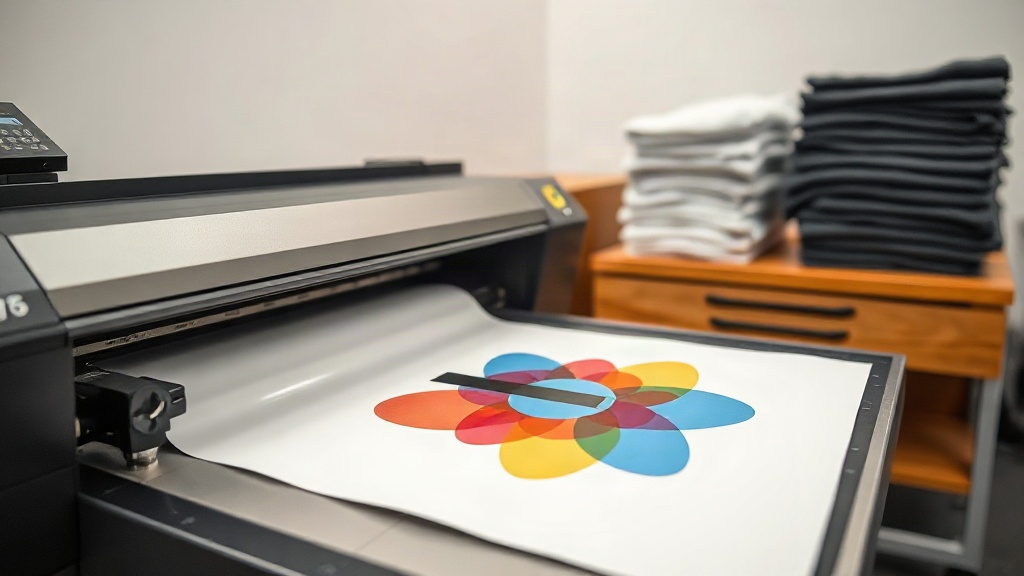
If you've been exploring custom apparel, you've likely encountered the term DTF. Direct-to-film printing is quickly becoming a favorite among creators and small businesses for its versatility and vibrant results. Unlike traditional methods, DTF lets you print full-color designs on a wide range of fabrics with impressive durability. In this guide, we'll walk you through everything you need to know about DTF printing, from the basics to pro tips, so you can decide if it's right for your next project.
What Exactly Is DTF Printing?
DTF stands for Direct-to-Film. It's a printing technique where your design is printed onto a special film, coated with a heat-activated adhesive powder, and then transferred onto fabric using a heat press. This process allows for intricate, multi-color designs without the need for color separation or specialized equipment like screens.
The magic of DTF lies in its simplicity and flexibility. You can print on cotton, polyester, blends, and even hard-to-print fabrics like nylon. The results are soft to the touch, stretchable, and resistant to cracking and fading, making it ideal for t-shirts, hoodies, tote bags, and more.
How Does DTF Compare to Other Printing Methods?
When considering custom apparel, it helps to know how DTF stacks up against other popular methods like DTG (Direct-to-Garment) and screen printing.
DTF vs DTG
DTG printing works by spraying ink directly onto the garment, which is best for 100% cotton fabrics. It requires pre-treatment and often struggles with polyester. DTF, on the other hand, works on almost any fabric and doesn't need pre-treatment. The transfer film also allows for brighter colors on dark garments without a white underbase, which DTG typically requires.
DTF vs Screen Printing
Screen printing is cost-effective for large orders of simple designs but becomes expensive and time-consuming for multi-color or small batches. DTF excels in small to medium runs with complex designs because there are no setup fees or color limitations. You can print one shirt or one hundred with the same ease.
Why Choose DTF for Your Custom Apparel?
There are several compelling reasons to consider DTF for your next project:
- Fabric versatility: Works on cotton, polyester, blends, and even leather.
- No color limits: Print gradients, photos, and fine details without extra cost.
- Durability: The prints withstand repeated washing without cracking or peeling.
- Soft feel: The transfer is thin and flexible, so it doesn't feel like a heavy patch.
- Cost-effective for small batches: No minimums, no setup fees.
Step-by-Step: How to Do DTF Printing at Home
Getting started with DTF printing is more accessible than you might think. Here's a basic workflow:
- Design your artwork: Use design software to create your image. Remember to mirror it horizontally before printing.
- Print on DTF film: Load the film into your DTF printer (or use a service). The printer lays down CMYK + white ink.
- Apply adhesive powder: While the ink is wet, sprinkle the hot-melt powder evenly over the print.
- Cure the powder: Shake off excess and heat the film until the powder melts and becomes glossy.
- Heat press: Place the film on your garment and press at 300-325°F for 10-15 seconds.
- Peel and enjoy: Let it cool, then peel off the film. Your vibrant design is now on the shirt!
While you can invest in a DTF printer, many beginners start by outsourcing the printing to a DTF service and doing the heat pressing themselves. This lowers the initial investment and lets you test the waters.
Design Tips for Stunning DTF Prints
To get the best results with DTF, keep these design principles in mind:
- Use high-resolution images: 300 DPI is recommended for crisp details.
- Avoid very thin lines: They may not hold up as well; opt for slightly bolder strokes.
- Consider the garment color: DTF prints include a white base, so colors pop on both light and dark fabrics.
- Test small: Before a big order, print a sample to check colors and feel.
Common Challenges and How to Overcome Them
Even though DTF is user-friendly, you might run into a few hiccups. Here are solutions to common issues:
Prints peeling after washing
This usually means insufficient pressure or time during heat pressing. Ensure your press is set to the correct temperature and apply firm pressure for the full duration. Also, wait for the print to cool completely before peeling.
Colors looking dull
Dull colors can result from under-curing the adhesive powder or using low-quality film. Make sure the powder is fully melted (it should look glossy) and use reputable DTF supplies.
Film jamming in the printer
DTF film can be tricky to feed. Check your printer's manual for recommended settings and consider a printer designed specifically for DTF.
Is DTF Printing Right for Your Business?
If you're a small business owner, Etsy seller, or someone who loves creating custom apparel, DTF offers a low-barrier entry into high-quality printing. It eliminates the need for expensive screen setups and allows you to offer a wide range of products without inventory risk. Plus, the prints are durable and vibrant, which keeps customers happy.
At ShirtsCustomizer, we specialize in helping you bring your designs to life. Whether you're new to DTF or looking to scale, our tools and resources can streamline your process.
Frequently Asked Questions
How long do DTF prints last?
With proper care, DTF prints can last as long as the garment itself. Wash inside out in cold water and avoid bleach to maximize longevity.
Can I use DTF on 100% polyester?
Yes, DTF works great on polyester. In fact, it often adheres better to polyester than DTG does.
Do I need a special printer for DTF?
You can modify an existing printer with DTF inks and film, but dedicated DTF printers are recommended for best results. Alternatively, use a DTF printing service.
What's the cost of DTF printing?
Costs vary based on design size and quantity. For small batches, DTF is often more affordable than screen printing due to no setup fees.
Can I print white ink with DTF?
Absolutely. DTF uses white ink as a base, which allows for vibrant colors on dark fabrics.