
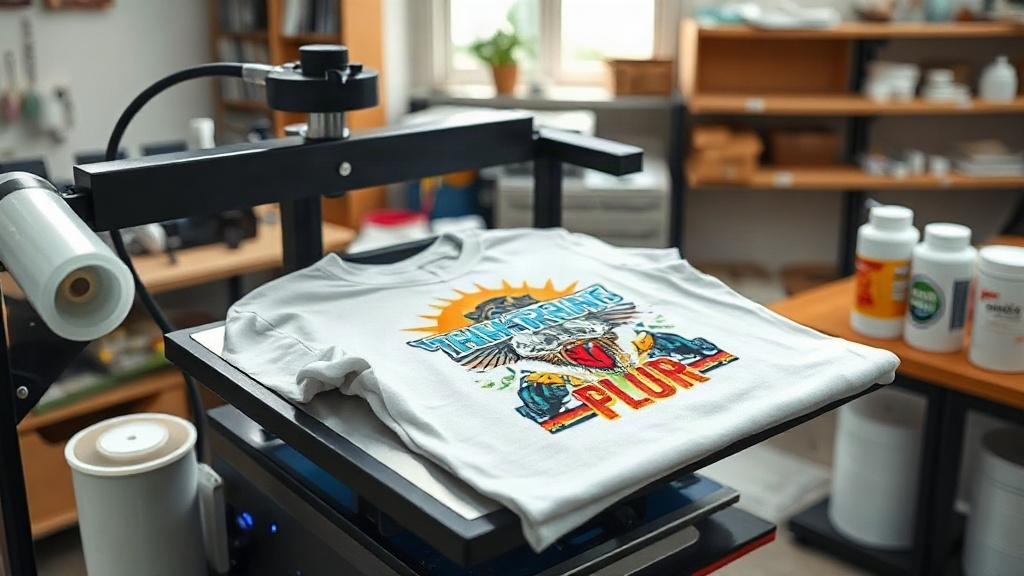
Custom apparel has never been more accessible, thanks to DTF transfers. Whether you're a small business owner looking to create branded merchandise, a sports team manager needing uniforms, or simply someone who wants to express personal style, DTF transfers offer a versatile and durable solution. Unlike traditional methods like screen printing or vinyl, DTF transfers work on a wide range of fabrics, from cotton to polyester and blends, without compromising on quality. In this guide, we'll walk you through everything you need to know about DTF transfers, from the basics to advanced tips, so you can make informed decisions for your next custom project.
What Are DTF Transfers?
DTF stands for Direct to Film. It's a printing technology where your design is printed onto a special film using a DTF printer and then transferred onto fabric using a heat press. The process involves printing with water-based inks onto a PET film, applying a hot melt adhesive powder, and then pressing the design onto the garment. This method allows for intricate details, vibrant colors, and excellent durability, making it a popular choice for custom apparel.
The DTF Transfer Process Step by Step
Understanding the process helps you appreciate the quality and potential of DTF transfers. Here's a breakdown:
- Design Preparation: Create your artwork using graphic design software. Ensure it's high resolution and mirrored if necessary (most DTF printers handle mirroring automatically).
- Printing: The design is printed onto a DTF film using a specialized printer with CMYK and white inks. The white ink acts as a base for vibrant colors on dark fabrics.
- Powdering: While the ink is still wet, a hot melt adhesive powder is applied evenly over the print. Excess powder is shaken off.
- Curing: The film is then cured, usually with a heat press or oven, to melt the powder and set the design.
- Transfer: Once cured, the film can be stored or immediately used. To transfer, place the film on the garment and apply heat and pressure with a heat press. After pressing, peel the film off (hot or cold peel depending on the film type), leaving the design adhered to the fabric.
Why Choose DTF Transfers for Your Custom Apparel?
DTF transfers have gained immense popularity for several compelling reasons. Let's explore the key benefits that make them stand out.
Versatility Across Fabrics
Unlike some printing methods that require specific fabric types, DTF transfers adhere well to cotton, polyester, nylon, leather, and blends. This means you can customize t-shirts, hoodies, bags, caps, and more without worrying about compatibility.
Vibrant and Durable Prints
DTF transfers produce bright, opaque colors, even on dark garments. The prints are stretchable and crack-resistant, withstanding repeated washing without fading or peeling. This durability makes them ideal for items that undergo frequent wear.
Cost-Effective for Small and Large Runs
With DTF, you don't need screens or plates, so setup costs are minimal. This makes it economical for small batches, one-off designs, or large orders. You can print on demand, reducing inventory waste.
No Weeding or Cutting Required
Unlike vinyl, DTF transfers don't require weeding or cutting. The design is printed and ready to press, saving time and labor, especially for complex designs with fine details.
DTF Transfers vs. Other Printing Methods
How does DTF compare to screen printing, DTG, and vinyl? Each method has its strengths and weaknesses. Here's a quick comparison:
- Screen Printing: Best for large orders with simple designs; limited colors; not cost-effective for small runs.
- DTG (Direct to Garment): Great for cotton; less vibrant on dark fabrics; requires pretreatment.
- Vinyl: Ideal for simple text and shapes; limited color options; can peel over time.
- DTF Transfers: Versatile, vibrant, durable, and cost-effective for any order size; works on various fabrics.
DTF transfers often come out on top for their balance of quality, versatility, and affordability.
Getting Started with DTF Transfers
Ready to dive into DTF printing? Here are the essentials you'll need and steps to take.
Equipment and Supplies
- DTF Printer: A specialized printer with DTF inks (CMYK + white).
- DTF Film: PET film designed for DTF printing.
- Hot Melt Adhesive Powder: Available in fine or coarse grades.
- Heat Press: For curing and transferring.
- Design Software: Such as Adobe Illustrator or CorelDRAW.
Step-by-Step Guide to Creating Your First DTF Transfer
- Design Your Artwork: Create a design with transparent background. Remember to mirror it if your printer doesn't do it automatically.
- Print on DTF Film: Load the film into your DTF printer and print. Ensure white ink is used if printing on dark fabrics.
- Apply Powder: While the print is wet, sprinkle the adhesive powder over it. Shake off excess.
- Cure the Film: Use a heat press at around 160°C (320°F) for 2-3 minutes, or follow your powder's instructions.
- Press onto Garment: Preheat your garment to remove moisture. Place the film on the fabric and press at 160°C (320°F) for 15-20 seconds with medium pressure.
- Peel and Finish: Peel the film off while hot or cold, depending on the film type. For best results, press again with a protective sheet for a few seconds.
Tips for Perfect DTF Transfers
To ensure your DTF transfers look professional and last long, follow these tips:
- Preheat the Garment: This removes wrinkles and moisture, ensuring better adhesion.
- Use the Right Pressure: Too little pressure causes poor adhesion; too much can cause ink to spread.
- Test with a Sample: Always do a test press on a similar fabric to dial in settings.
- Store Films Properly: Keep unused films in a cool, dry place to prevent moisture damage.
- Wash Inside Out: To prolong the life of your DTF prints, wash garments inside out in cold water and avoid harsh detergents.
Common Applications of DTF Transfers
DTF transfers are used in various industries and personal projects. Some popular applications include:
- Custom T-Shirts and Hoodies: For events, teams, or personal style.
- Corporate Merchandise: Branded uniforms, promotional items.
- Sports Jerseys: Team names, numbers, and logos.
- Fashion and Streetwear: Unique designs for small clothing brands.
- Accessories: Tote bags, caps, and more.
Frequently Asked Questions About DTF Transfers
How long do DTF transfers last?
With proper care, DTF transfers can last as long as the garment itself. They are resistant to cracking, peeling, and fading, often outlasting other print methods. Washing inside out and avoiding high heat will extend their life.
Can I use DTF transfers on dark fabrics?
Absolutely! DTF transfers are excellent for dark fabrics because the white ink base ensures vibrant colors. The opacity of the white layer makes the design pop, even on black or navy garments.
Do I need a special printer for DTF transfers?
Yes, you need a DTF printer that uses DTF inks (CMYK + white) and is designed to print on PET film. However, you can also buy pre-printed DTF transfers from suppliers if you don't want to invest in a printer.
What fabrics work best with DTF transfers?
DTF transfers work on a wide range of fabrics, including cotton, polyester, blends, nylon, and leather. They are not recommended for fabrics with a heavy texture or waterproof coatings, as adhesion may be affected.
How do I wash garments with DTF transfers?
Turn the garment inside out and machine wash in cold water with mild detergent. Avoid bleach and fabric softeners. Tumble dry on low or hang dry. If ironing, do not iron directly on the print; use a pressing cloth.
Conclusion
DTF transfers offer a versatile, durable, and cost-effective way to customize apparel. Whether you're a hobbyist or a business owner, understanding the process and best practices can help you achieve professional results. With the right equipment and a bit of practice, you can create stunning custom pieces that stand out. So why wait? Explore the world of DTF transfers and bring your designs to life on any fabric.