
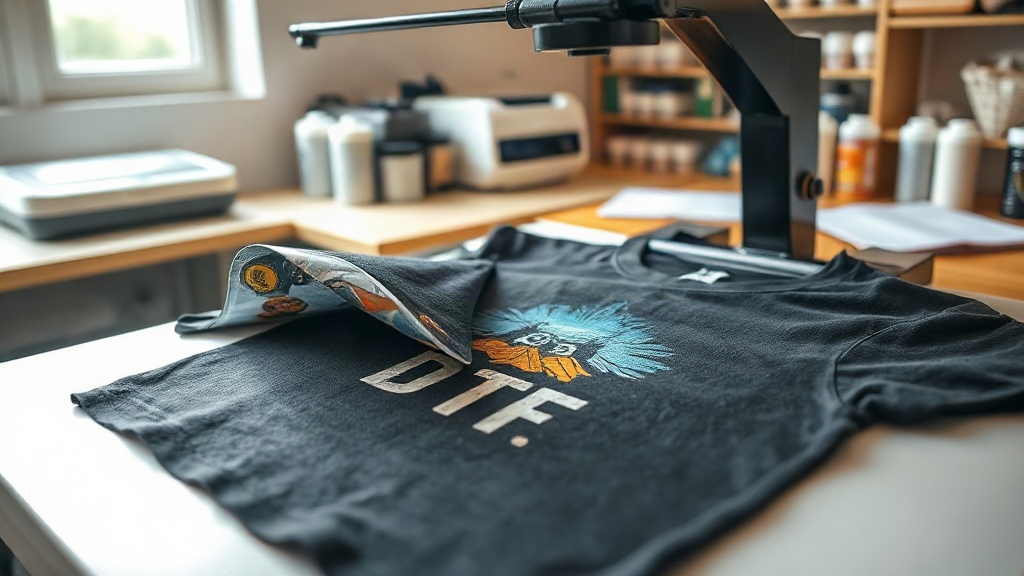
Imagine pressing a custom design onto a cotton t-shirt, a polyester jersey, or even a canvas tote bag, and watching it come out with crisp edges, bold colors, and a soft feel that lasts wash after wash. That's the promise of DTF transfers, a printing method that has quickly become a favorite among apparel decorators, small business owners, and DIY enthusiasts. Unlike older techniques that limit you to certain fabrics or require messy pre-treatment, DTF (Direct to Film) opens up a world of possibilities with minimal equipment and a whole lot of creative freedom.
What Are DTF Transfers?
At its core, DTF printing is a digital process where your design is printed onto a special film using water-based inks, then coated with a thermoplastic powder while still wet. The powder adheres to the ink, and after curing, you have a transfer ready to be heat-pressed onto a garment. The film acts as a carrier, and the powder becomes the adhesive that bonds the ink to the fabric. The result is a flexible, stretchable print that sits on top of the fabric rather than soaking into it, which is why colors stay vibrant even on dark materials.
How DTF Transfers Differ from Other Printing Methods
If you've explored custom apparel printing, you've likely encountered heat transfer vinyl (HTV), screen printing, and direct-to-garment (DTG). Each has its strengths, but DTF carves out a unique niche.
DTF vs. HTV
HTV requires you to cut and weed each color layer, which becomes tedious for complex designs. DTF eliminates weeding entirely. You print the full-color design in one go, powder it, cure it, and press it. This makes DTF far more efficient for detailed artwork with gradients, fine lines, or photographic elements.
DTF vs. Screen Printing
Screen printing is cost-effective for large runs of simple designs, but it struggles with intricate details and multiple colors. Each color needs its own screen, and setup costs add up. DTF shines for short runs and full-color images, with no per-color charges and minimal setup.
DTF vs. DTG
DTG prints directly onto the garment, which means you need a dedicated DTG printer and often a pre-treatment solution, especially for dark shirts. DTF transfers can be produced on a modified inkjet printer, stored, and pressed on demand, giving you flexibility in production and inventory. Plus, DTF works on fabrics that DTG can't handle, like nylon and leather.
The DTF Transfer Process Step by Step
Understanding the workflow helps you troubleshoot and get consistent results. Here's what happens from digital file to finished garment.
- Design preparation: Create your artwork in a vector or high-resolution raster format. Mirror the image horizontally before printing, because the film will be flipped when pressed.
- Printing: Load the DTF film into a compatible printer (often a converted Epson or Ricoh). The printer lays down a layer of white ink followed by CMYK inks. The white layer is crucial for opacity on dark fabrics.
- Powdering: While the ink is still wet, apply the thermoplastic powder evenly over the printed area. Shake off the excess. The powder sticks only to the ink.
- Curing: Place the film in a curing oven or under a heat press for a short time. This melts the powder and creates a smooth, flexible adhesive layer.
- Pressing: Set your heat press to the recommended temperature (usually 300-320°F) and pressure. Press the transfer onto the garment for 10-15 seconds, then peel the film off while hot or cold, depending on the film type.
Once you dial in these steps, you can produce transfers in batches and store them for later use, which is a game-changer for fulfilling orders quickly.
Why Choose DTF Transfers for Your Custom Apparel?
There are plenty of reasons why DTF has gained traction. Here are the most compelling benefits.
- Fabric versatility: Works on cotton, polyester, blends, nylon, leather, and more. No need for multiple inks or special treatments.
- Vibrant colors: The white ink base makes colors pop on both light and dark garments.
- Fine detail reproduction: Gradients, thin lines, and small text come out sharp.
- Durability: When applied correctly, DTF prints resist cracking, peeling, and fading through many washes.
- Soft feel: The print has a slight texture but remains flexible and comfortable.
- Cost-effective for short runs: No screens or plates, so you can print one-offs without breaking the bank.
Common Challenges and How to Overcome Them
Like any printing method, DTF has its quirks. Being aware of them helps you avoid frustration.
Adhesion Issues
If the transfer peels off after washing, it's often due to insufficient pressure, incorrect temperature, or under-curing the powder. Invest in a heat press with accurate temperature and pressure settings, and always follow the film manufacturer's guidelines.
Color Accuracy
Colors may appear slightly different on screen versus printed. Create ICC profiles for your printer and RIP software to ensure consistent output. Also, remember that the white underbase can affect how colors look on different fabric colors.
Film Storage
DTF transfers should be stored in a cool, dry place away from direct sunlight. Moisture can ruin the powder layer, so keep them in a sealed bag with desiccant packs if you live in a humid climate.
Tips for Getting the Best Results with DTF Transfers
Whether you're a beginner or looking to refine your process, these tips will help you achieve professional-looking prints.
- Start with quality film: Not all DTF films are created equal. Cheaper films may cause ink smearing or poor powder adhesion. Test different brands to find what works best with your printer.
- Maintain your printer: DTF printers require regular maintenance, including daily printhead cleanings and ink agitation. Neglecting this leads to clogs and inconsistent output.
- Use a reliable heat press: A clamshell or swing-away press with digital controls is ideal. Avoid hand irons, as they don't provide even pressure or consistent temperature.
- Test your settings: Every fabric and transfer combination may need slight adjustments. Keep a log of temperature, time, and pressure for future reference.
- Wash inside out: Advise your customers to turn garments inside out and wash in cold water to prolong the life of the print.
Applications of DTF Transfers Beyond T-Shirts
DTF isn't just for tees. Its versatility extends to a wide range of products, making it a valuable tool for diversifying your offerings.
- Hoodies and sweatshirts: The stretchable print moves with the fabric, so it won't crack when worn.
- Sportswear: Polyester jerseys and spandex blends benefit from DTF's flexibility and vibrant colors.
- Bags and accessories: Canvas totes, backpacks, and even leather items can be customized with DTF.
- Home décor: Pillowcases, aprons, and tea towels can feature your designs.
- Promotional items: Create branded merchandise for events, teams, or corporate giveaways.
Frequently Asked Questions About DTF Transfers
How long do DTF transfers last?
With proper application and care, DTF transfers can last as long as the garment itself. They resist cracking and fading for 50+ washes when washed inside out in cold water and tumble dried on low or hung to dry.
Can I use DTF transfers on 100% polyester?
Yes, DTF works exceptionally well on polyester. The low pressing temperature (around 300°F) prevents the fabric from scorching or melting, and the print adheres firmly. Just be sure to test a small area first to confirm compatibility.
Do I need a special printer for DTF?
You can convert a standard inkjet printer (like certain Epson models) to use DTF inks and film. However, dedicated DTF printers are available and often yield better reliability and print quality. If you're just starting, a converted printer can be a cost-effective entry point.
What is the difference between DTF and DTG?
DTG prints directly onto the garment, while DTF involves printing onto a film and then transferring it. DTF offers greater fabric versatility and doesn't require pre-treatment, but DTG can be more efficient for large runs of cotton shirts. The best choice depends on your specific needs and production setup.
DTF transfers have opened doors for creators who want to produce high-quality custom apparel without the constraints of traditional methods. Whether you're running a small business or simply making shirts for your team, understanding the ins and outs of DTF can save you time, money, and frustration. With the right supplies and a bit of practice, you'll be turning out vibrant, durable prints that impress your customers and keep them coming back.