
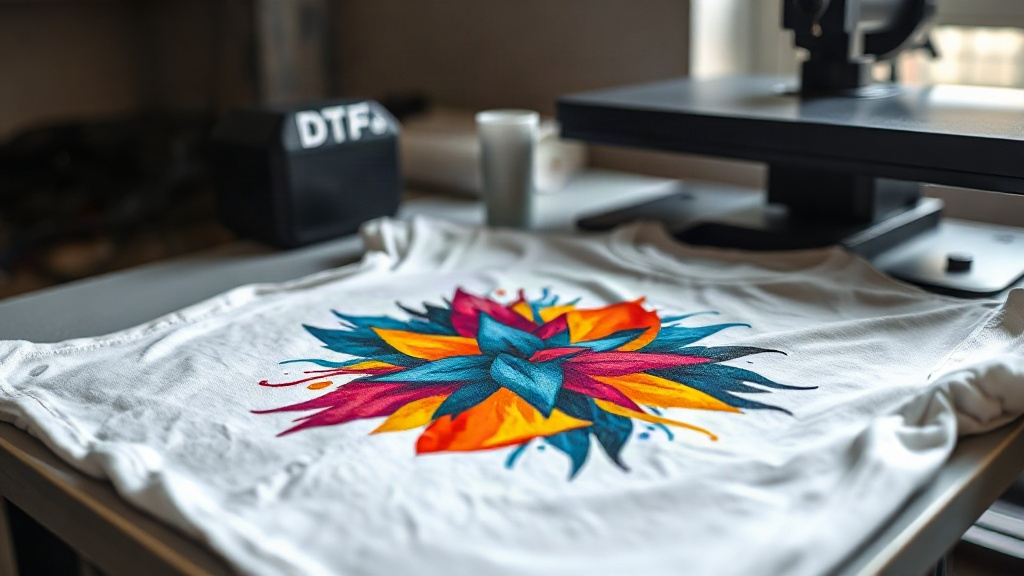
If you've been exploring custom apparel printing, you've likely come across DTF transfers. This technology is quickly becoming a favorite among hobbyists and professionals alike for its versatility and vibrant results. But what exactly are DTF transfers, and how can you use them to create stunning custom t-shirts? In this guide, we'll walk you through everything you need to know, from the basics of the process to practical tips for getting started.
What Are DTF Transfers?
DTF stands for Direct-to-Film. It's a printing method where your design is printed onto a special film, coated with a adhesive powder, and then heat-pressed onto fabric. Unlike DTG (Direct-to-Garment) or screen printing, DTF transfers don't require pretreating the garment or using specialized inks. This makes them incredibly accessible for beginners and cost-effective for small batches.
The process involves a few key steps: designing your artwork, printing it onto the film using a DTF printer, applying a hot-melt powder to the wet ink, curing the powder, and finally transferring the design onto your shirt with a heat press. The result is a durable, stretchable print that holds up well wash after wash.
Why Choose DTF Transfers for Custom T-Shirts?
There are several reasons why DTF transfers have gained popularity. First, they work on a wide range of fabrics, including cotton, polyester, blends, and even some synthetics. This is a big advantage over DTG, which typically requires 100% cotton for best results. Second, DTF prints are incredibly detailed, capable of reproducing fine lines, gradients, and photorealistic images with ease.
Another benefit is the cost. For small runs or one-off designs, DTF transfers eliminate the setup costs associated with screen printing. You can print a single transfer without breaking the bank. Plus, the transfer itself is thin and flexible, so it doesn't feel heavy or plasticky on the shirt.
Durability is also a strong point. When applied correctly, DTF prints can withstand dozens of washes without fading or cracking. They're resistant to stretching, making them ideal for athletic wear or fitted garments.
How to Use DTF Transfers: A Step-by-Step Guide
Ready to try DTF transfers yourself? Here's a simple process to follow:
- Create your design: Use graphic software to prepare your artwork. Remember to mirror the image if your DTF printer requires it (most do).
- Print on DTF film: Load the film into your DTF printer and print using specialized DTF inks. Ensure your printer is set up correctly for DTF.
- Apply adhesive powder: While the ink is still wet, sprinkle hot-melt adhesive powder evenly over the print. Shake off excess.
- Cure the powder: Place the film in a curing oven or under a heat gun until the powder melts and becomes glossy. This usually takes a few minutes at around 160-180°C (320-356°F).
- Heat press: Set your heat press to the recommended temperature (usually 150-160°C or 300-320°F) and pressure. Place the transfer on your shirt and press for 10-15 seconds.
- Peel: Wait for the transfer to cool completely (cold peel) or peel while warm (hot peel) depending on the film type. Most DTF transfers are cold peel.
After peeling, you may want to press again for a few seconds with a protective sheet to ensure the print is fully embedded into the fabric.
Common Mistakes to Avoid with DTF Transfers
Even though DTF is forgiving, some pitfalls can ruin your results. Here are a few to watch out for:
- Insufficient powder: If you don't apply enough adhesive powder, the transfer may not stick properly or could peel off after washing.
- Under-curing: If the powder isn't fully melted, the transfer won't adhere correctly. Make sure the powder becomes shiny and smooth.
- Wrong temperature or pressure: Each film and powder combination has specific settings. Always test with a sample before pressing your final garment.
- Peeling too early or too late: Follow the film instructions. Peeling too soon can stretch the design; peeling too late might make it impossible to remove the film cleanly.
- Not pre-pressing the shirt: Pre-pressing removes moisture and wrinkles, ensuring a smooth application.
DTF Transfers vs. Other Printing Methods
How does DTF stack up against DTG, screen printing, and vinyl? Here's a quick comparison:
- DTG: Best for 100% cotton, no minimums, but can be less vibrant on dark shirts and requires pretreating. DTF works on more fabrics and produces brighter colors on darks without pretreating.
- Screen Printing: Cost-effective for large runs, but setup costs are high and it's not practical for small batches or complex designs. DTF excels at detailed, multi-color designs without setup fees.
- Vinyl (HTV): Great for simple shapes and text, but layering multiple colors is time-consuming and the result can be bulky. DTF allows full-color, detailed prints in one press.
For many small business owners and crafters, DTF offers the best balance of quality, versatility, and cost.
Tips for Getting the Best Results
To ensure your DTF transfers look professional, keep these tips in mind:
- Use high-quality film and powder: Cheaper materials can lead to inconsistent results. Invest in reputable brands.
- Maintain your printer: DTF printers require regular cleaning and maintenance to avoid clogs and ensure smooth ink flow.
- Test your settings: Every heat press is different. Create a test shirt to dial in the perfect temperature, pressure, and time.
- Store transfers properly: Keep unused transfers in a cool, dry place away from direct sunlight to prevent premature curing.
- Wash inside out: To prolong the life of your DTF-printed shirts, wash them inside out in cold water and avoid harsh detergents.
Frequently Asked Questions About DTF Transfers
Can I use DTF transfers on any fabric?
DTF transfers work on a wide range of fabrics, including cotton, polyester, cotton-poly blends, and even some nylons and leathers. However, for best results, avoid fabrics with heavy coatings or finishes that might prevent adhesion.
How long do DTF transfers last?
With proper application and care, DTF transfers can last for 50+ washes without significant fading or cracking. Following the washing instructions (cold water, inside out, no bleach) will maximize longevity.
Do I need a special printer for DTF transfers?
Yes, you need a DTF printer that uses DTF inks and can handle the film. Some people convert regular inkjet printers, but dedicated DTF printers are recommended for reliability and quality.
What is the difference between DTF and DTG?
DTF (Direct-to-Film) involves printing on a film and then transferring to the garment, while DTG (Direct-to-Garment) prints directly onto the fabric. DTF works on more fabrics and doesn't require pretreating, but DTG can be more cost-effective for 100% cotton shirts in large quantities.
Can I sell shirts with DTF transfers?
Absolutely! Many small businesses use DTF transfers to create custom apparel for sale. Just ensure you have the right to use any copyrighted designs and that your prints meet quality standards.
DTF transfers have opened up a world of possibilities for custom t-shirt printing. Whether you're a hobbyist or a business owner, this method offers a flexible, durable, and vibrant way to bring your designs to life. With a bit of practice, you'll be creating professional-looking shirts in no time.